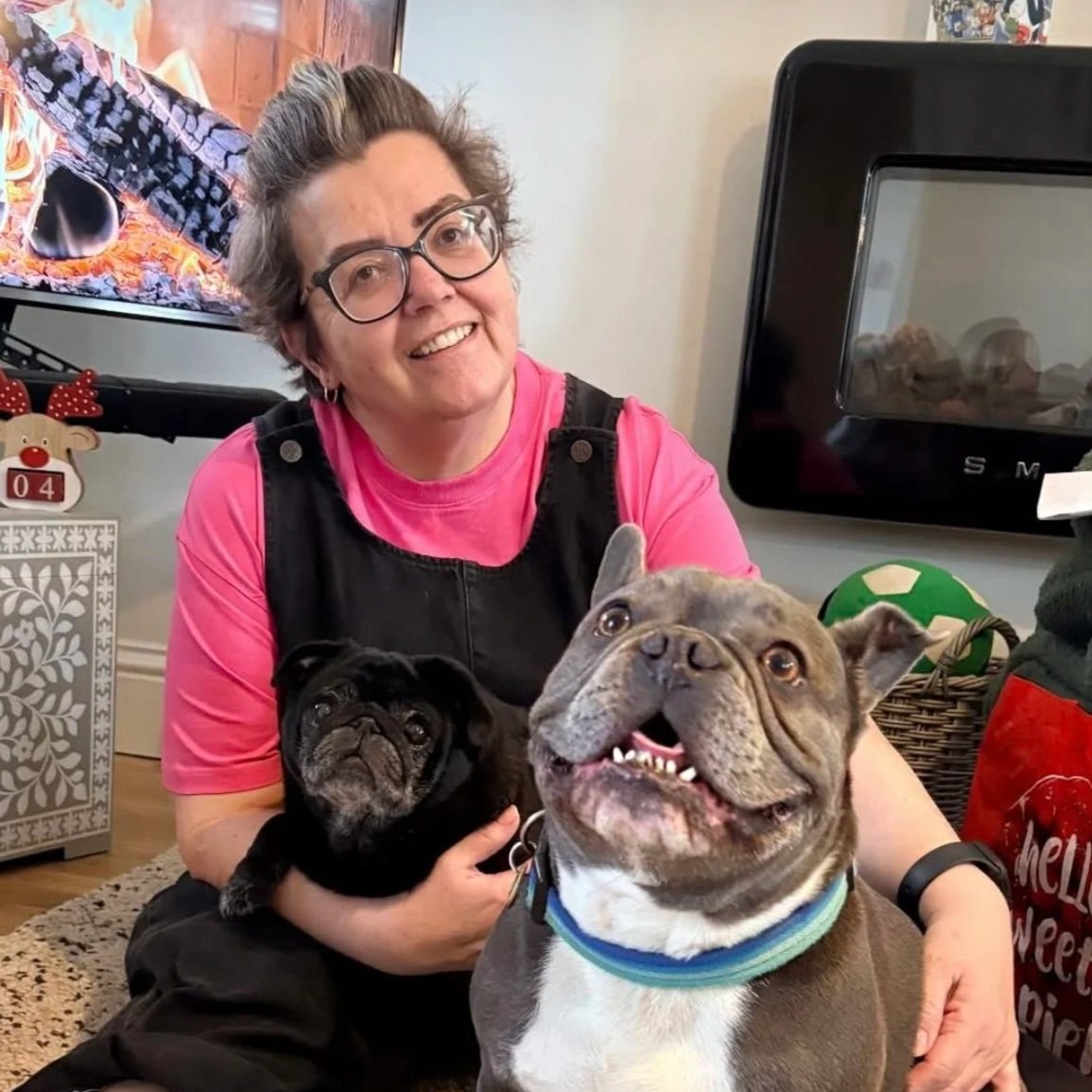
Maria lives in West Yorkshire with her husband, and has a ‘fierce love’ for her adult children. She had been through breast cancer and a skin cancer in the previous ten years, so cancer wasn't new to her. But lung cancer was still a huge shock.
“I went in for surgery to remove my lung cancer. I woke up to find I was stage 4.”
Found by chance, with no symptoms
In June 2022, aged 55, Maria was having tests for a problem with her gallbladder. They found something in her lung. She had no symptoms at all. She was referred to the thoracic team for a lobectomy, an operation to remove part of the lung. But during surgery, the team found the cancer had already spread to her lymph nodes and the lining of her lung, and the operation was stopped. Biopsies and blood tests confirmed EGFR-positive non-small cell lung cancer, and in September 2022 Maria started targeted treatment with osimertinib.
Advice for anyone newly diagnosed
Maria remembers how frightening it was, and how much she trusted her team while she was in shock. For anyone facing a diagnosis, she suggests bringing a loved one with you to listen and speak for you, asking questions, writing everything down, keeping your team's contact details and using them, and seeking support when you are able.
A book it list, not a bucket list
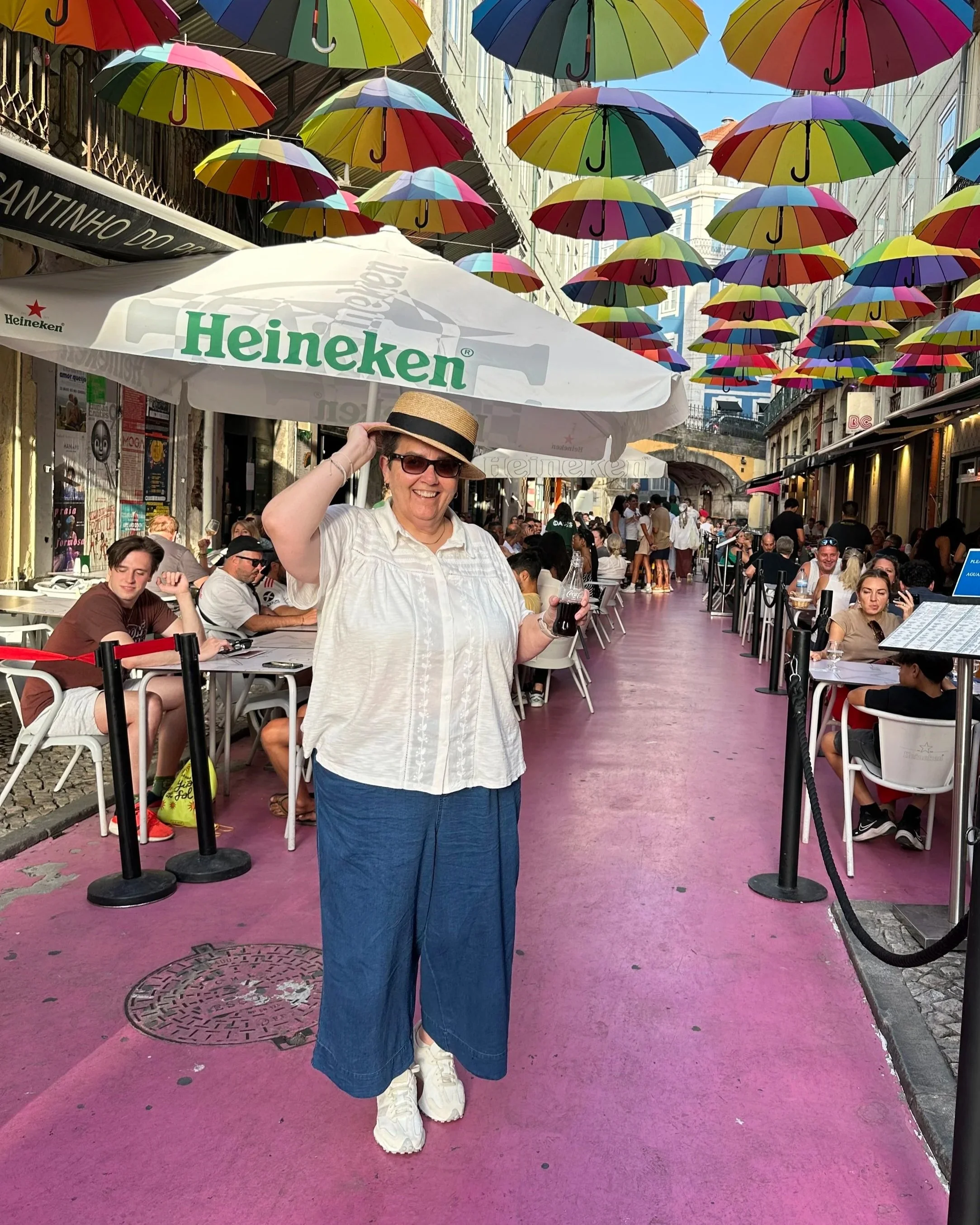
Treatment has given Maria more time than she expected, and she is making the most of it. She doesn't have a bucket list. She has a "book it" list with her close friends and family, planning holidays and making memories together while she is well. Her motto: take the photo, wear the dress, make people smile. Staying busy keeps her grounded. Maria volunteers with several charities, including Maggie's in Leeds, where she has volunteered for more than five years, carrying on through her own diagnosis. She helps support armchair exercise sessions for older people in her community, and shares her life on Instagram to show that people can live well with lung cancer. Volunteering, she says, is her therapy and her lifeline.
The healthcare professional side
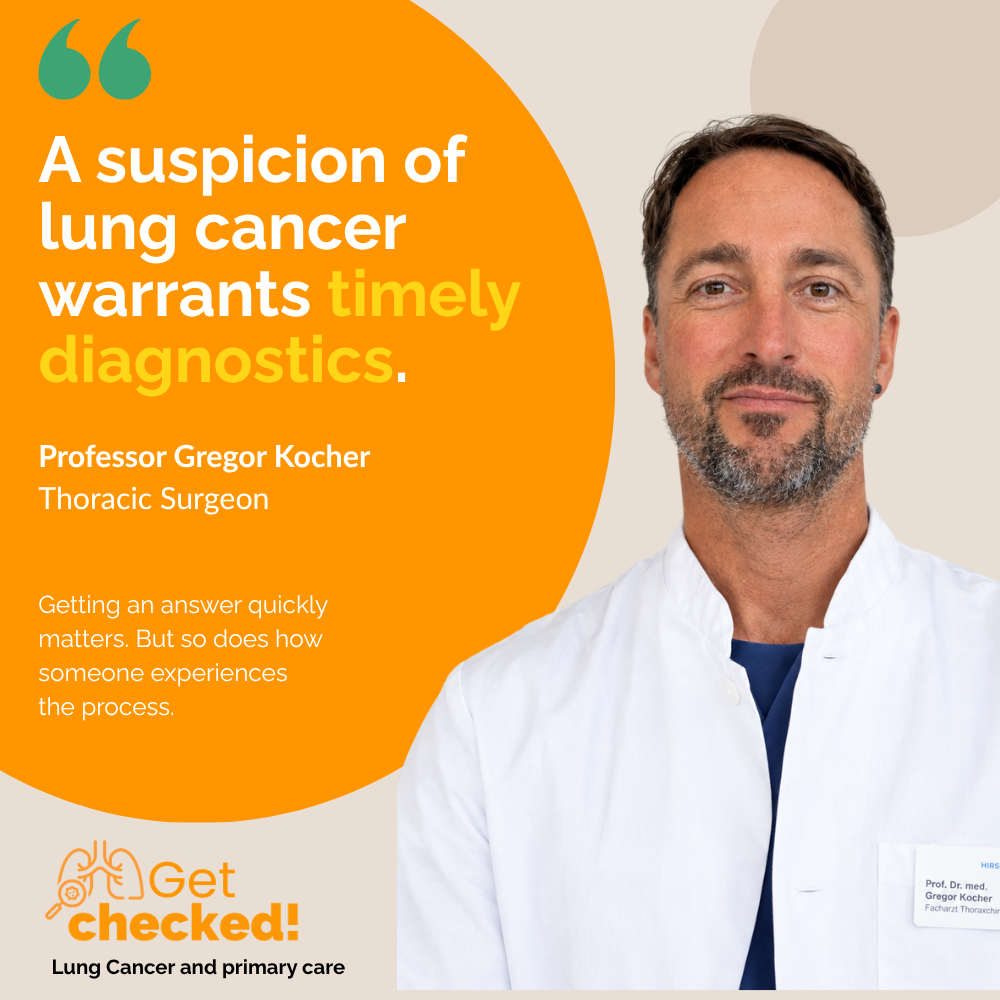
Professor Gregor Kocher, a thoracic surgeon, explains why fast, accurate tests are so important when lung cancer is suspected.