
Let's Talk About the Symptoms of Lung Cancer
Don’t wait for it to feel serious. If it’s not going away, get it checked.
Lung cancer can be hard to spot early, but noticing the signs could save your life, or someone else's.
It doesn’t just affect older people or people who smoke. Lung cancer can happen to anyone, at any age, including people who’ve never smoked. That’s why it’s important to know the symptoms and take them seriously if they don’t go away.
Some signs are more obvious, like a cough that won’t shift. Others, like feeling tired or losing weight, are easier to miss or explain away. But if something doesn’t feel right, especially if it sticks around, don’t ignore it. Speak to your doctor.
Most of the time it won’t be cancer. But if it is, spotting it early means better options and a better chance of successful treatment.
What symptoms should I watch out for?
Some signs of lung cancer are well-known. Others aren’t.
You don’t need to have all the symptoms, or even a cough, to have lung cancer. That’s why it’s important to know what to look out for and take it seriously if something feels off.
No symptom is too small if it sticks around. Lung cancer is easier to treat when caught early.
-
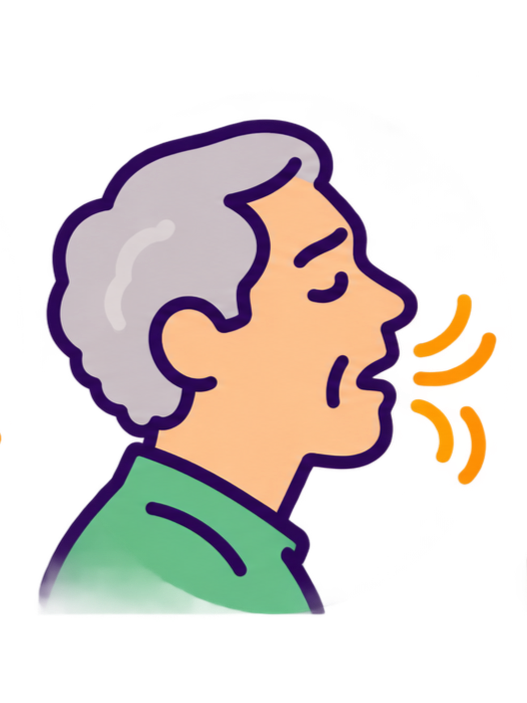
![Illustration of an older man coughing]()
A cough that won't go away
Especially one that lasts three weeks or more.
-
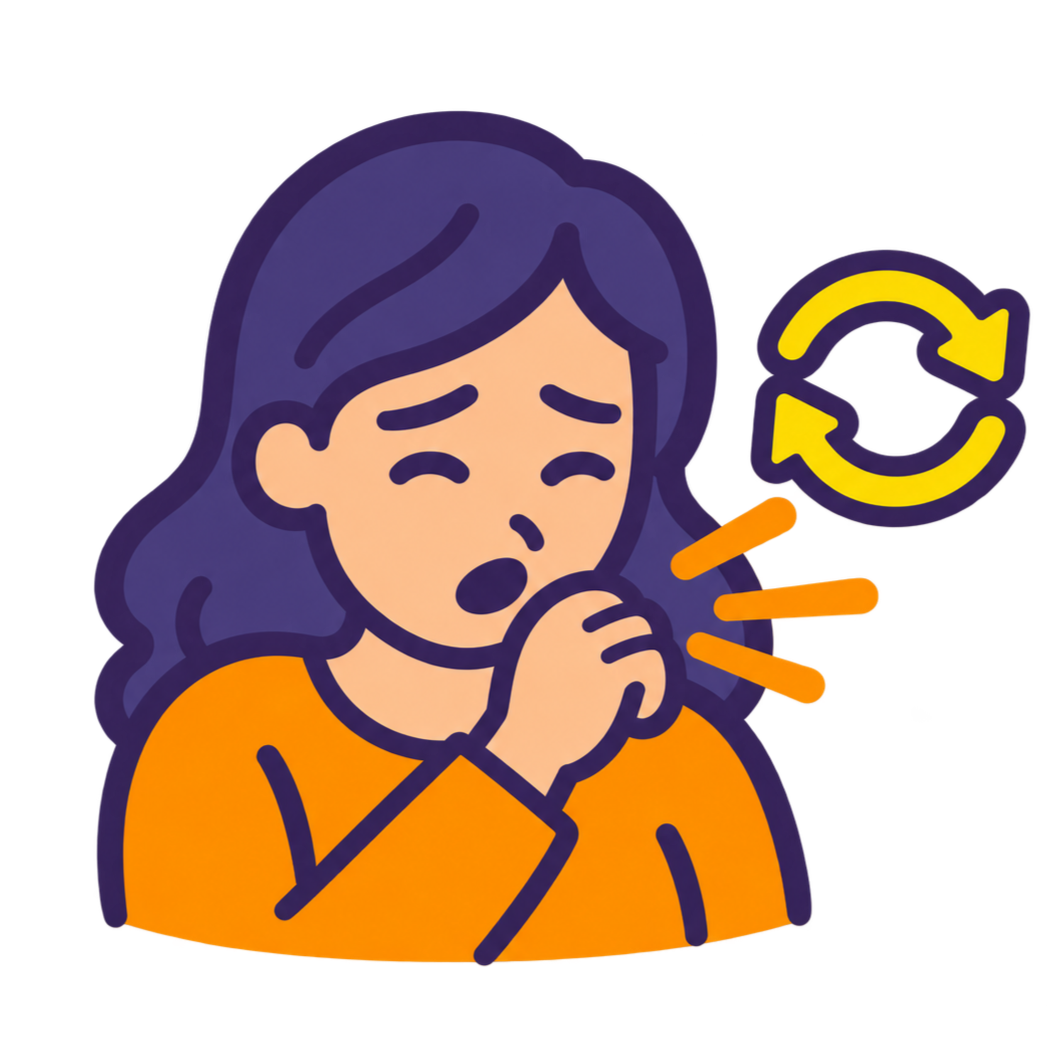
![Illustration of a woman coughing, with circular arrows showing a change]()
A change in a long-standing cough
An existing cough that sounds or feels different.
-
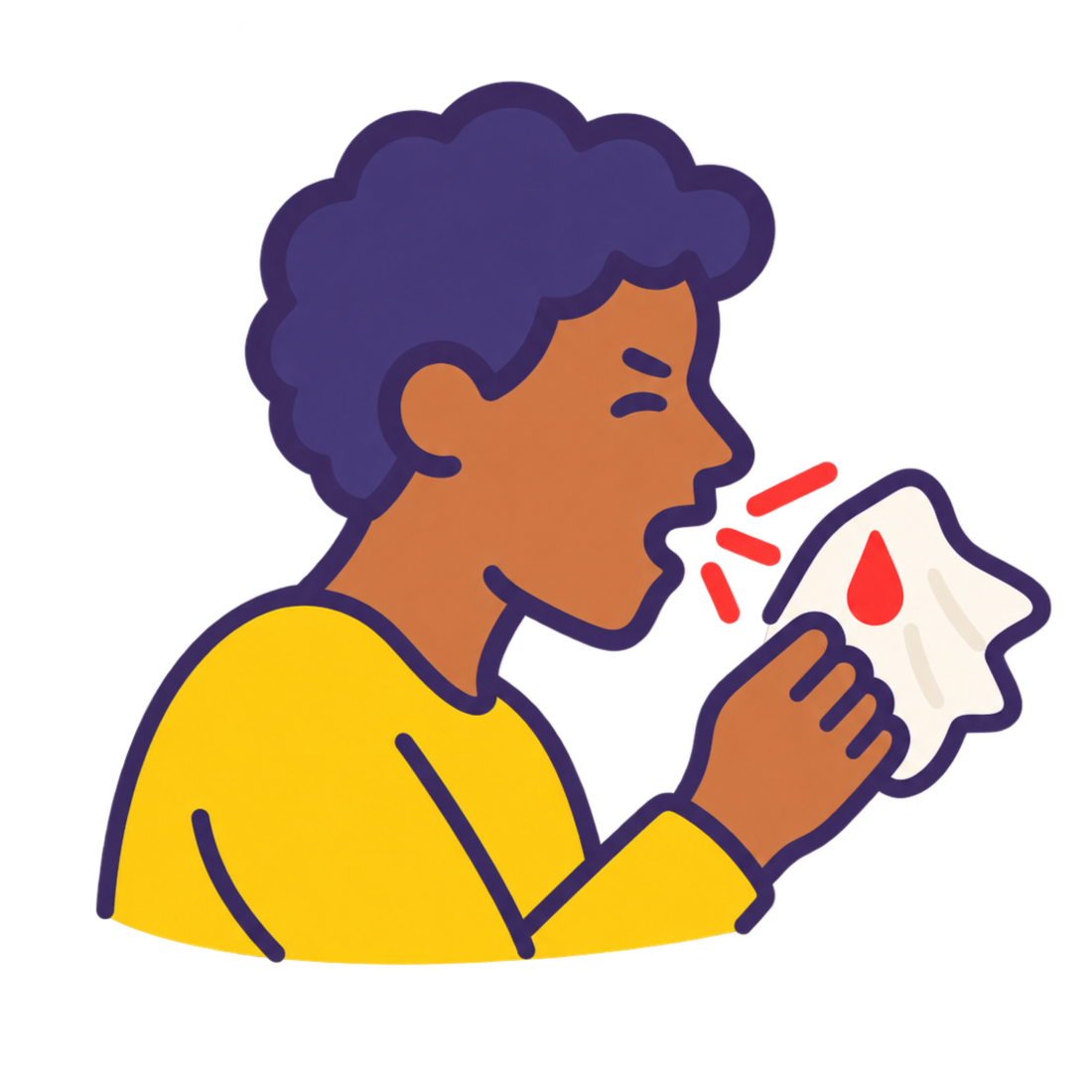
![Illustration of a man coughing blood into a tissue]()
Coughing up blood
Even a small amount.
-
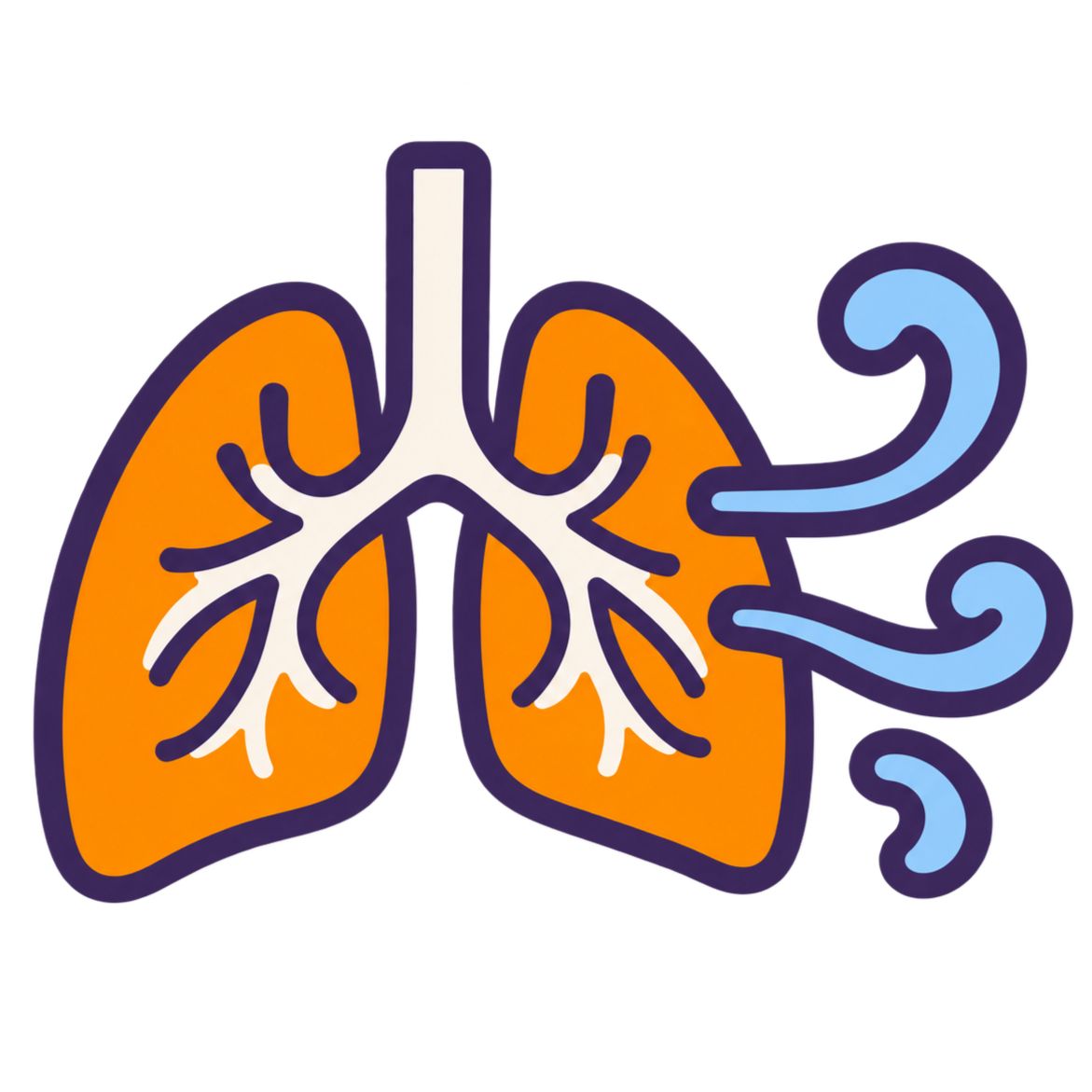
![Illustration of lungs with air blowing out, showing breathlessness]()
Breathlessness
Getting out of breath more easily than usual.
-
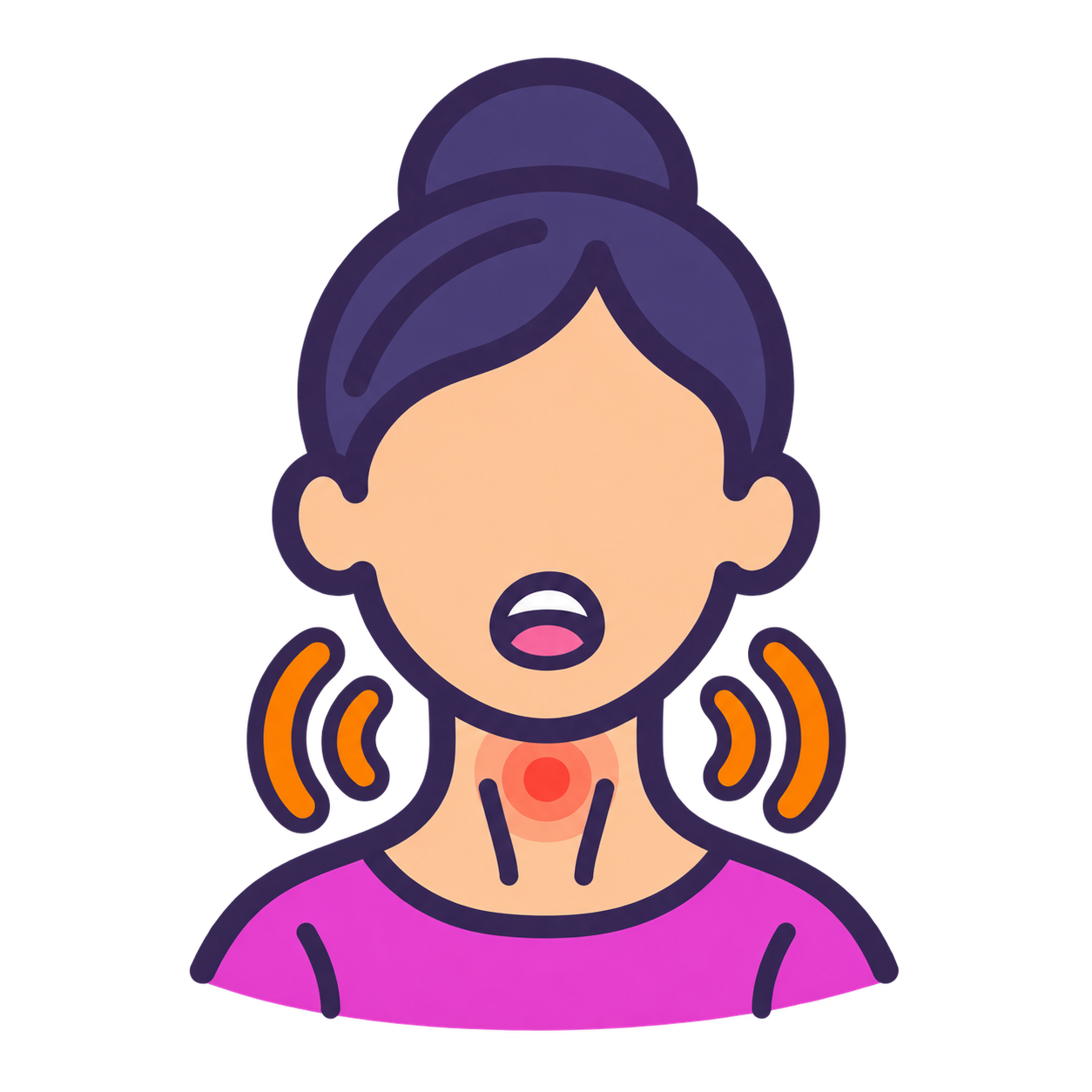
![Illustration of a woman with a wheezy, hoarse throat]()
Wheezing or hoarseness
A wheeze, or a change in your voice that doesn’t go away.
-
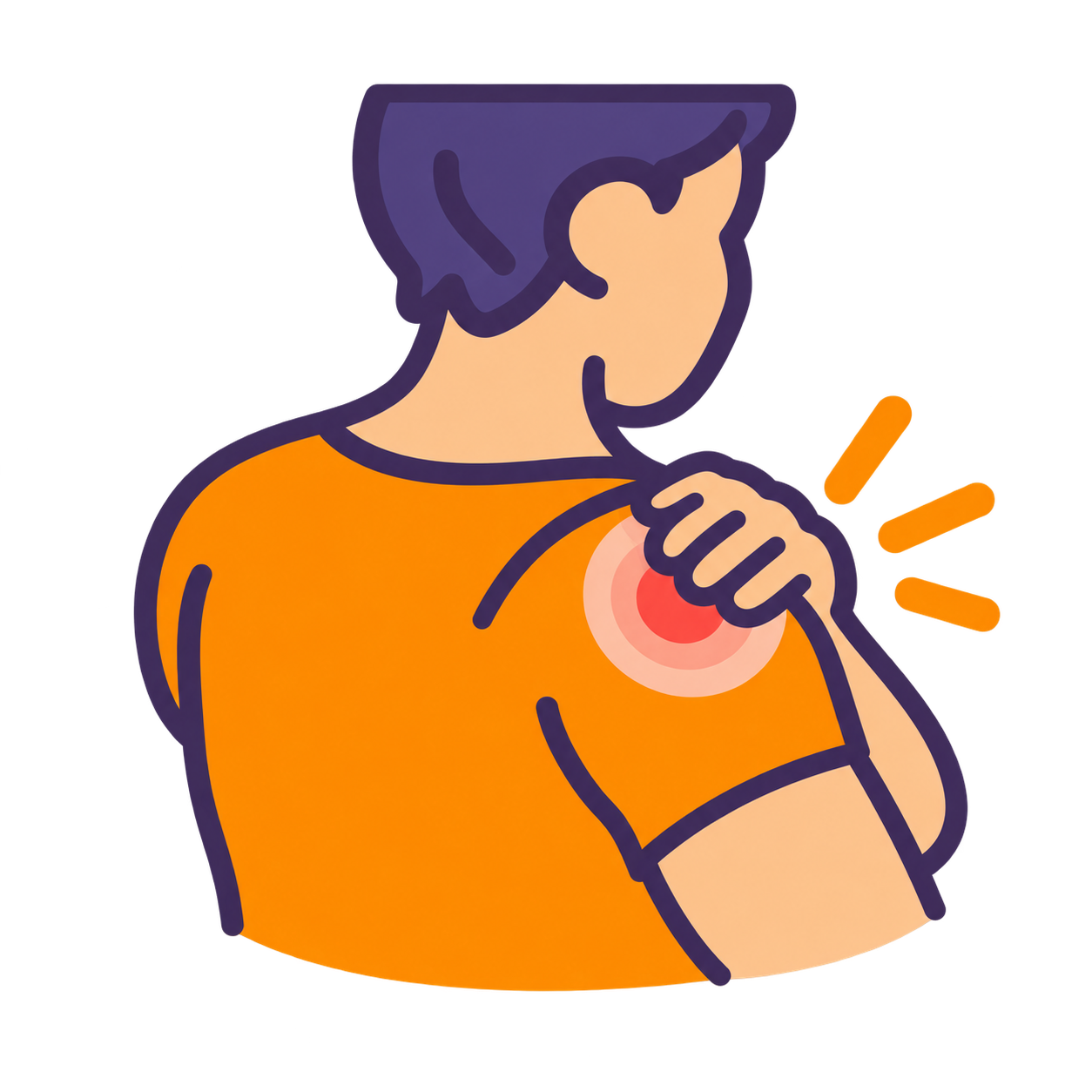
![Illustration of a man holding his painful shoulder]()
Chest, shoulder or rib pain
Pain that doesn’t go away, sometimes spreading down the arm.
-
![Illustration of lungs with a germ and circular arrows, showing repeated chest infections]()
Chest infections that keep coming back
Or an infection that doesn’t clear up with treatment.
-
![Illustration of a tired woman resting her head on her hand, with a low battery symbol]()
Tiredness or weakness
Feeling unusually tired, without a clear reason.
-
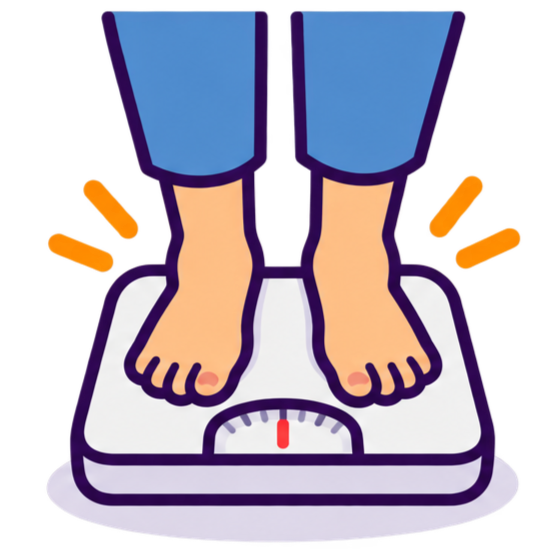
![Illustration of feet standing on bathroom scales]()
Loss of appetite or weight
Losing weight over a short time, for no clear reason.
-
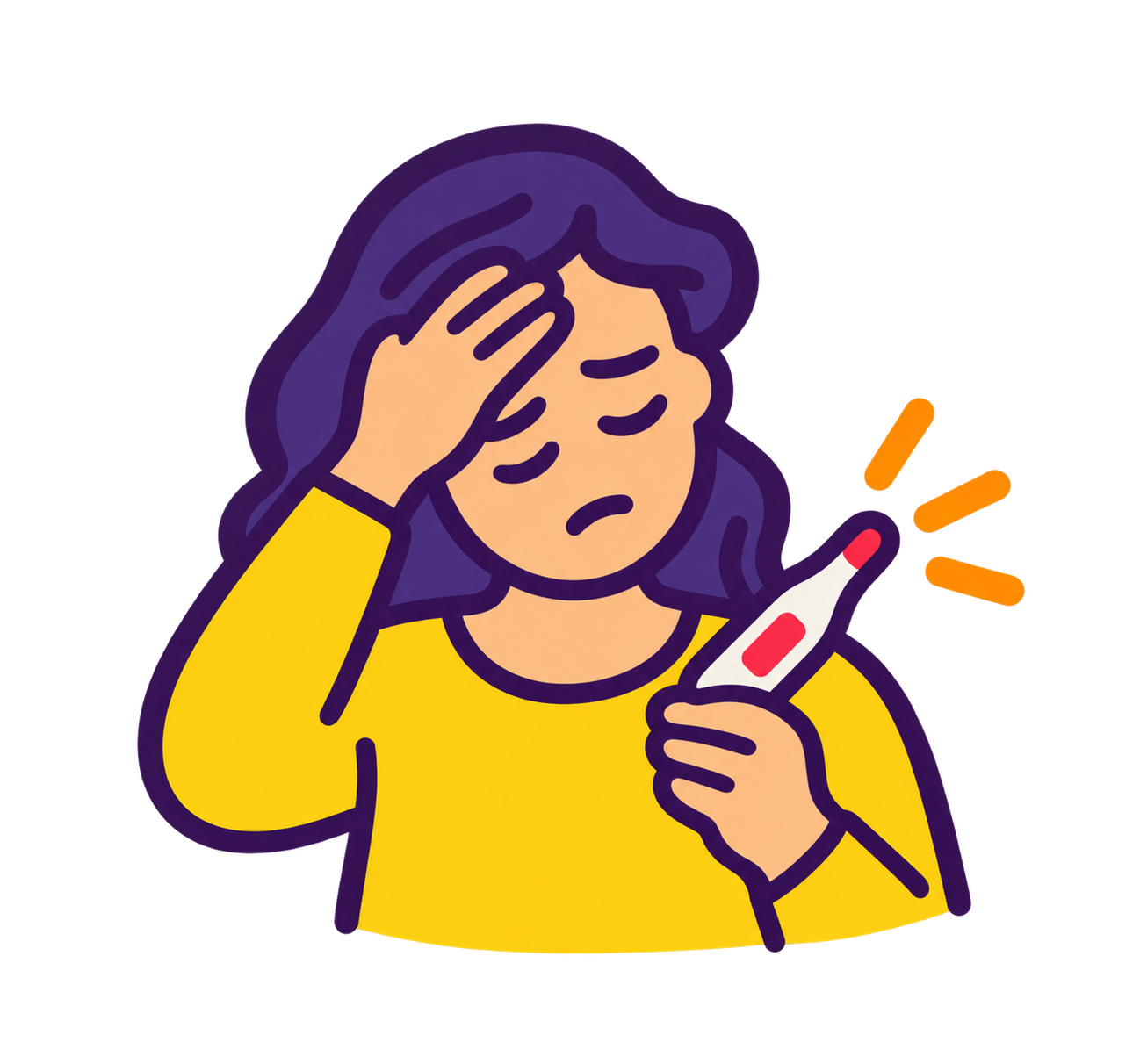
![Illustration of a woman with a fever holding a thermometer]()
A fever that comes and goes
A high temperature that lasts for weeks.
-
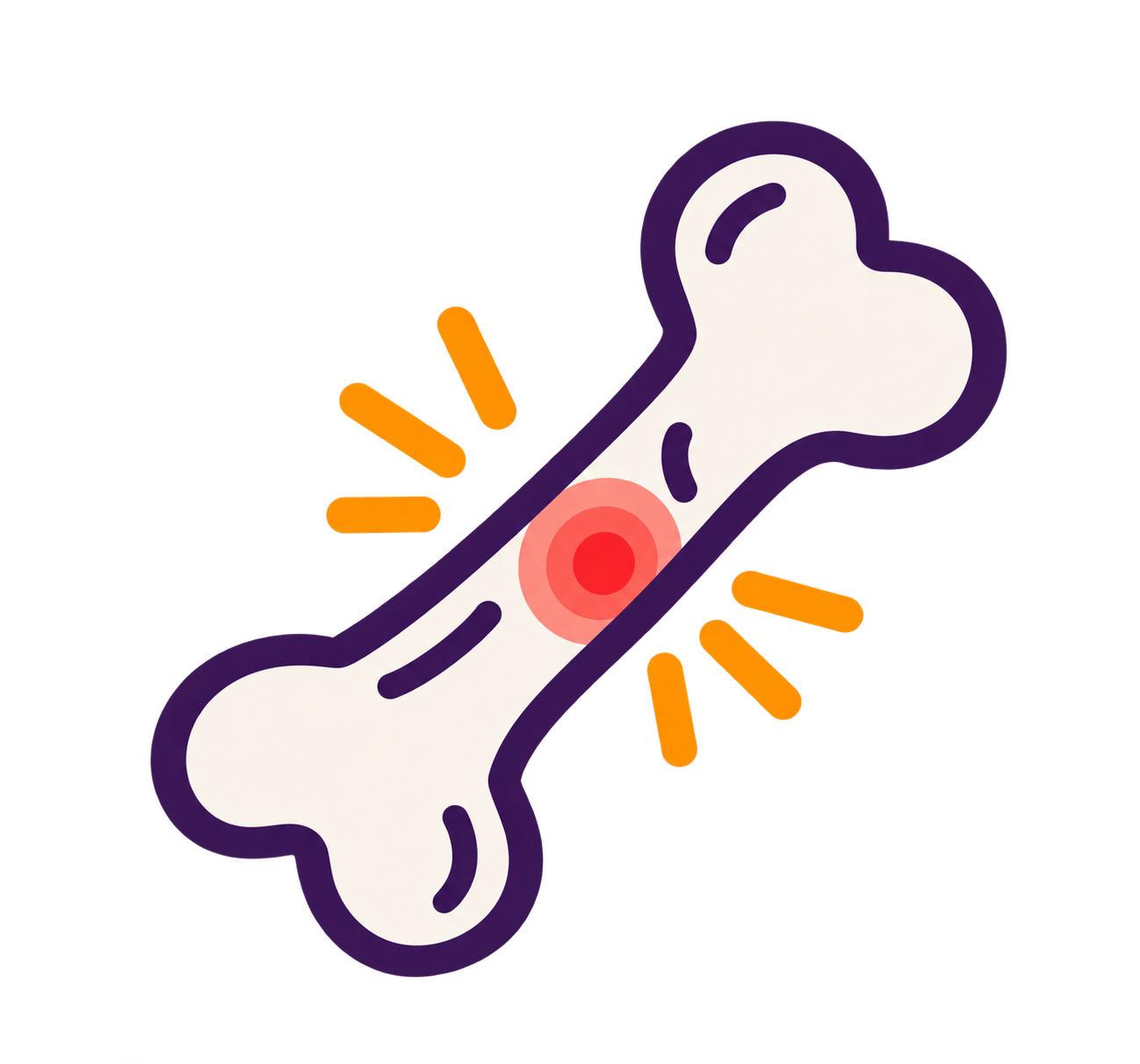
![Illustration of a bone with the painful area marked in red]()
Bone pain
Pain in the bones that doesn’t go away.
-
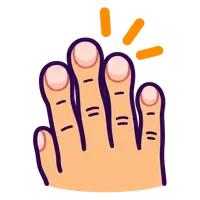
![Illustration of a hand with rounded, clubbed fingertips]()
Finger clubbing
The ends of the fingers become wider and more rounded.
-
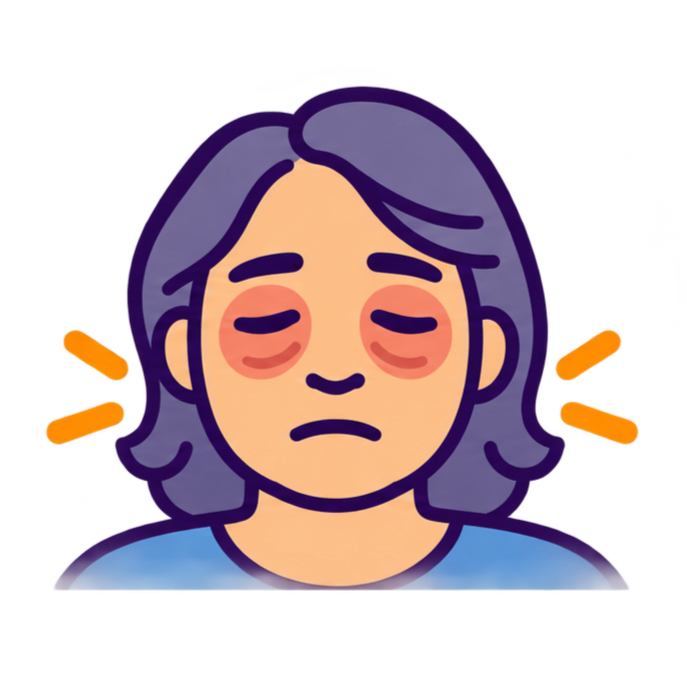
![Illustration of a woman with a swollen face and puffy eyes]()
Swelling in the face or neck
Especially around the eyes.
What increases your risk of lung cancer?
Anyone can get lung cancer, even if they have never smoked and have no family history. But some things are known to increase the risk. Having one or more risk factors doesn’t mean you will get lung cancer, but they are worth knowing about.
Smoking, now or in the past. This is the biggest single risk factor.
Breathing in other people’s smoke (second-hand smoke).
Radon, a natural radioactive gas that can build up in homes and other buildings.
Air pollution, outdoors and indoors.
Exposure at work to substances such as asbestos, silica, diesel exhaust and some metals.
A family history of lung cancer.
Some other lung conditions, such as COPD or pulmonary fibrosis.
Previous radiotherapy to the chest.
Getting older, although lung cancer can happen at any age.
did you know?
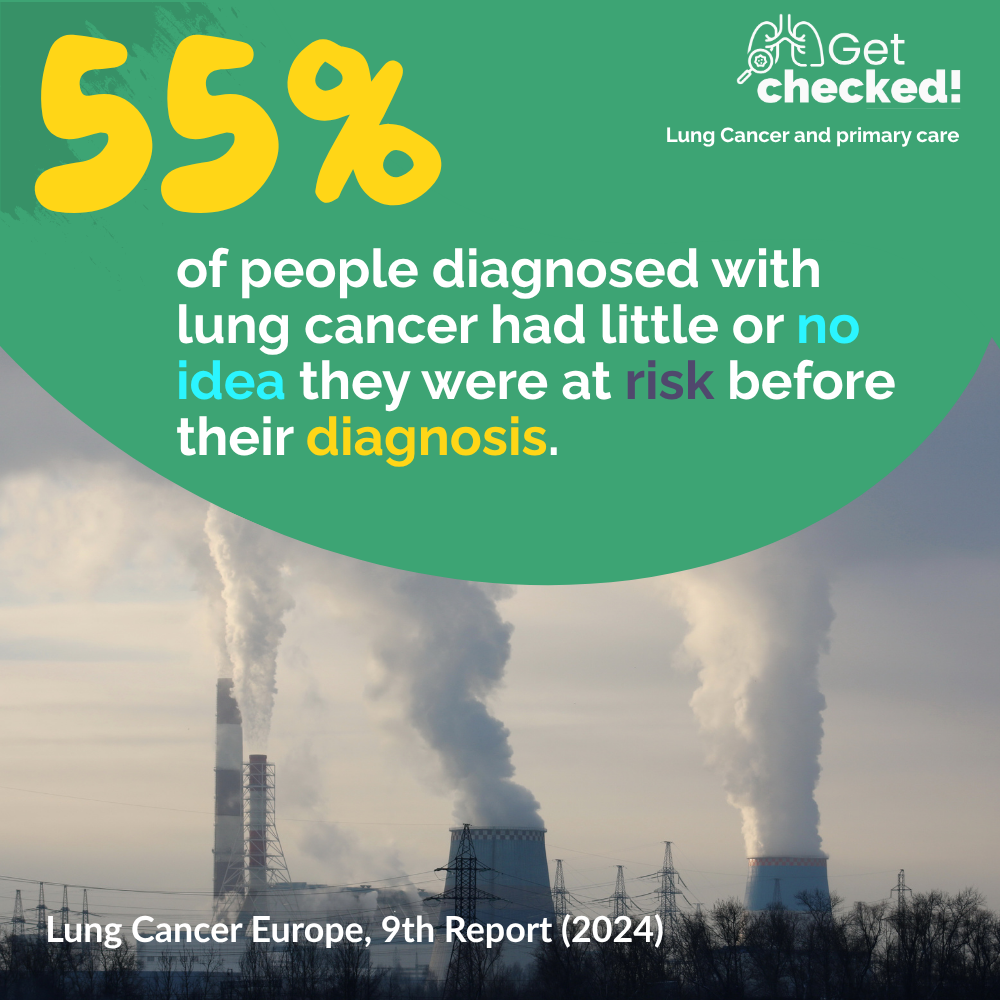
did you know?
55% of people diagnosed with lung cancer had little or no idea they were at risk before their diagnosis (Lung Cancer Europe, 9th Report 2024)
Exposure to pollution and risks at work is higher in some jobs and communities.
Not all risk factors are within your control, but finding lung cancer early still makes a difference.
Worried about a symptom? Find out what to expect when you go to your doctor, or read stories from both sides of a lung cancer diagnosis.