
From scan to treatment: three lung cancer specialists
Between a scan that finds something and the start of treatment, several specialists may be involved, often without the person ever meeting them. Three of them spoke at the Lung Cancer Europe conference or shared their views with us. Together, they show the professional side of diagnosis, and why a fast, accurate answer makes such a difference to the people waiting for it.
Even experts can miss things
Professor Marie-Pierre Revel is a chest radiologist in France. She leads CASCADE, a lung cancer screening study for women that uses artificial intelligence to help radiologists read scans.
“I’m an experienced chest radiologist, and it happened that I missed some nodules.”
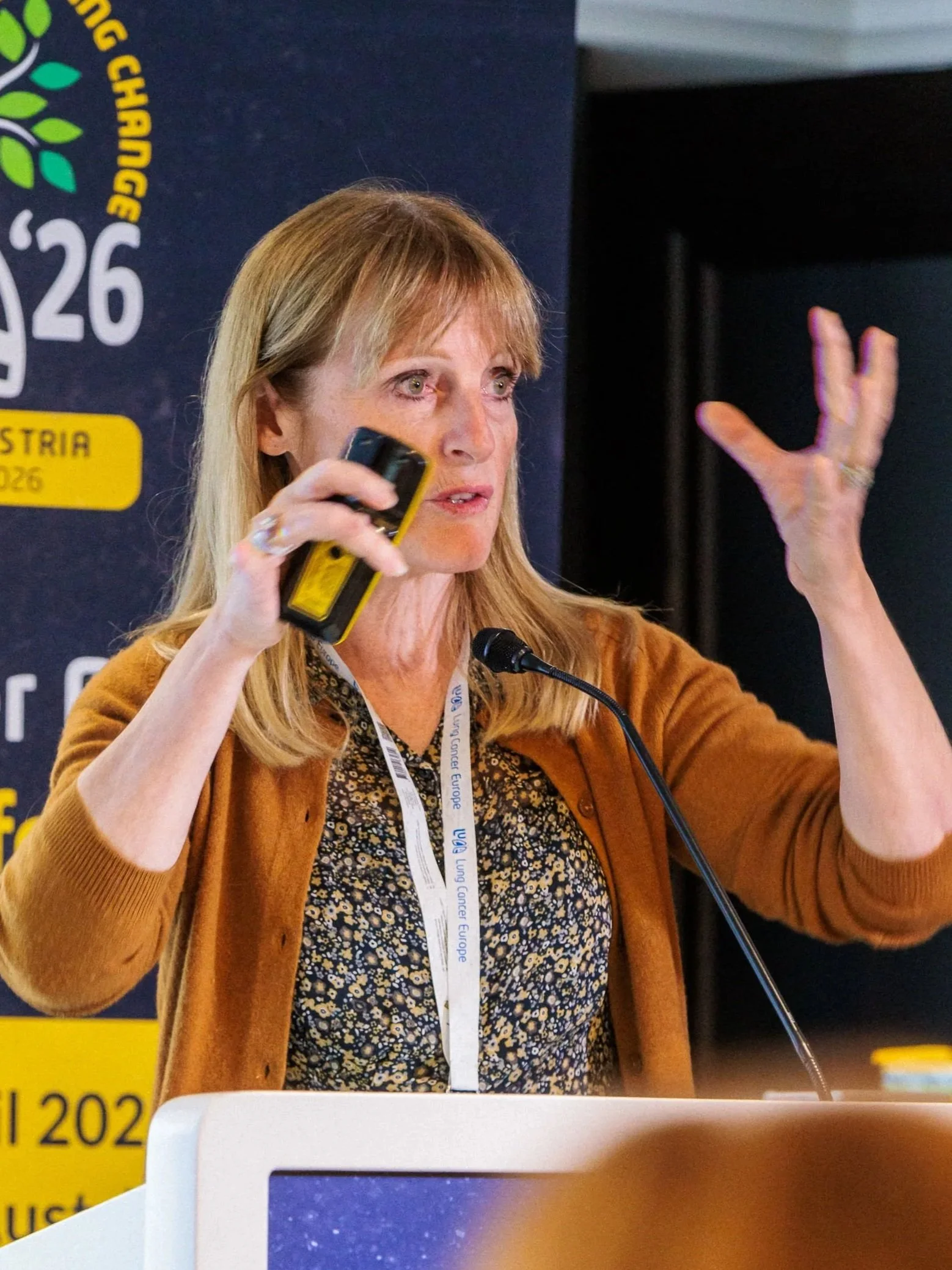
She explains that even the best specialists can miss small signs of lung cancer on a scan, which is why screening studies have usually had two radiologists read every scan, and why artificial intelligence may now help. When lung cancer is missed, it is rarely anyone's fault. Lung cancer can be hard to see, on a scan as well as in the symptoms someone describes.
Professor Revel has also seen who lung cancer affects change during her career. When she trained, there were no women with lung cancer in her university hospital. Today, more women, and more people who have never smoked, are being diagnosed. Anyone with lungs can get lung cancer.
Most nodules are not cancer
A nodule is a small spot on the lung. Being told a scan has found one can be frightening, but Professor Revel is clear that the vast majority are not cancer. When one is found, there are reliable next steps, such as a follow-up scan after a short time to see whether it changes, a PET-CT scan, or a biopsy. Suspected lung cancer is not a diagnosis.
A fast answer, and a kind one
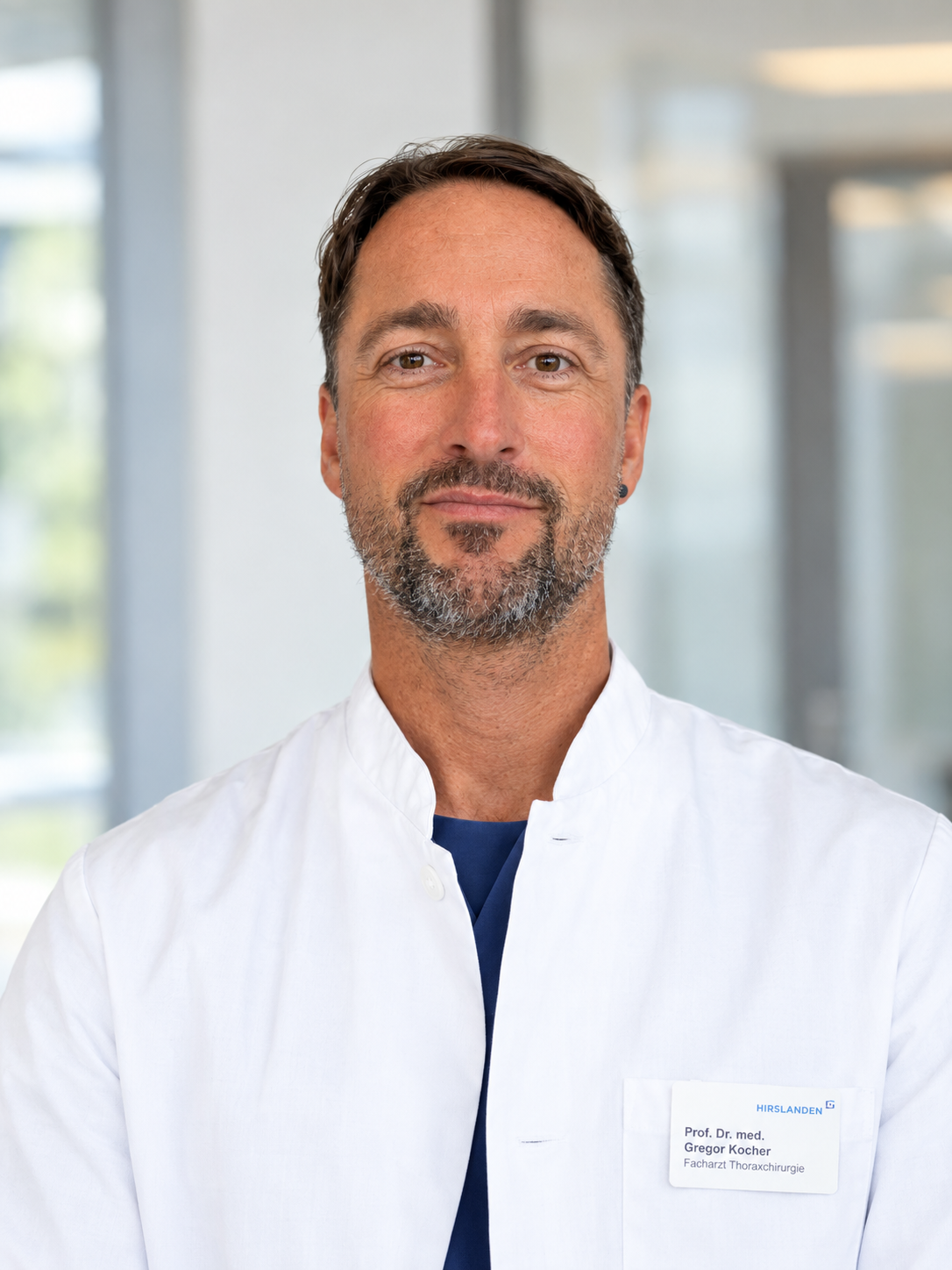
Professor Gregor Kocher is a thoracic surgeon in Bern, Switzerland.
“Suspicion of cancer warrants timely diagnostics without making the patient uncomfortable.”
He describes unclear lung nodules as always a challenge. When there is any doubt, a sample of tissue is needed and looked at under a microscope. It is the only way to confirm whether a finding is lung cancer, and what type. Getting that tissue diagnosis early, he says, is key to the right treatment and a better outlook. His practice describes its approach as personal care from the first consultation through to aftercare, with the choice of treatment made together with each person.
The right diagnosis leads to the right treatment
Professor Jürgen Wolf is Medical Director of the Center for Integrated Oncology at the University Hospital of Cologne, Germany.
“The right lung cancer treatment starts with the right diagnosis.”
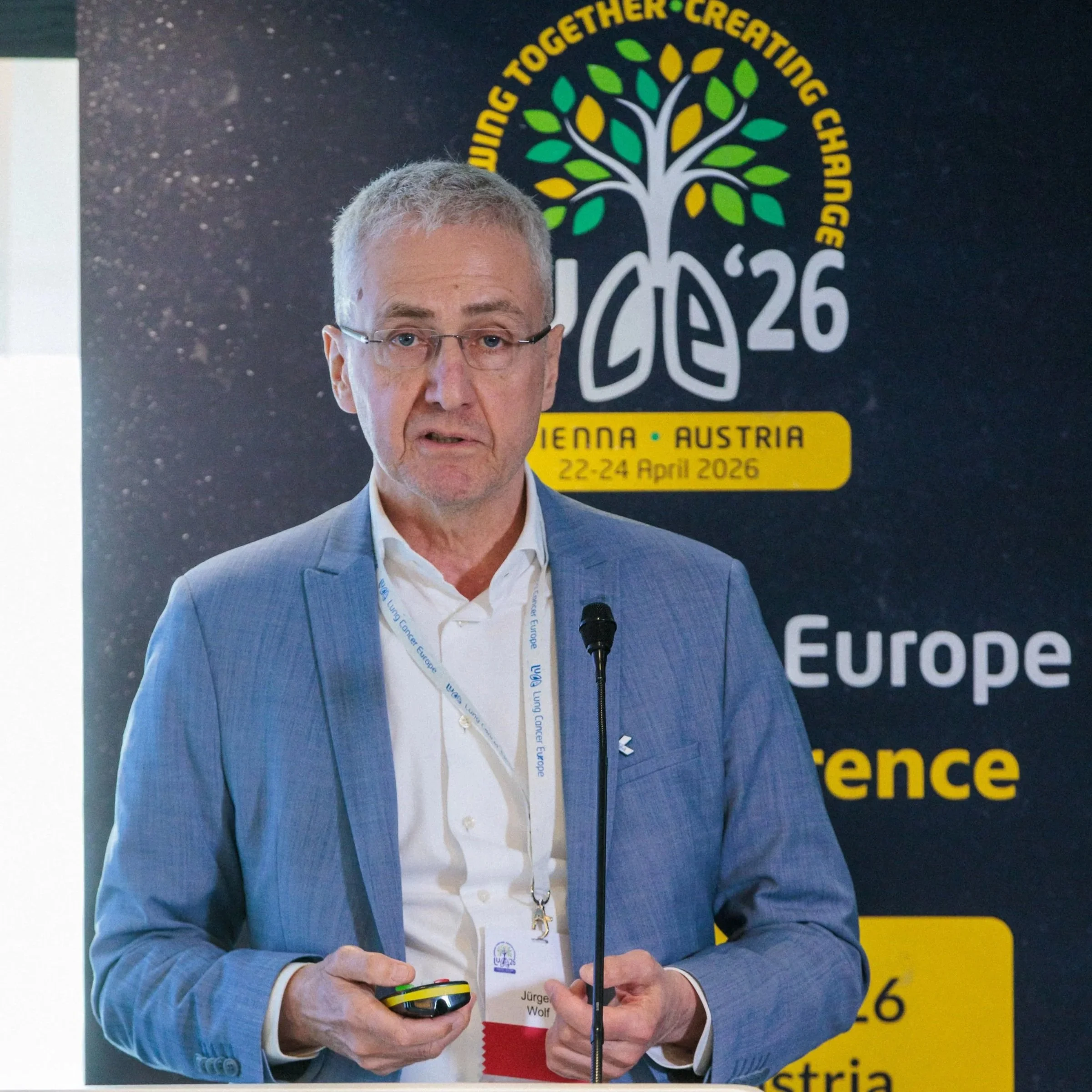
Lung cancer is not one disease, he explains, but many different types. Testing a tissue sample can show which type someone has, and whether it has a particular change, called a biomarker, that a targeted treatment can work on. Without that testing, personalised treatment is not possible.
He has seen these treatments transform what lung cancer can mean. More and more people now live for years with a good quality of life, something doctors could not have imagined 10 to 15 years ago.
Professor Wolf also sees how much people with lung cancer bring to their own care. Through patient organisations and communities, they often know a great deal about their condition and new research, and that shared knowledge leads to truly shared decisions between doctors and the people they treat.
The lived experience side
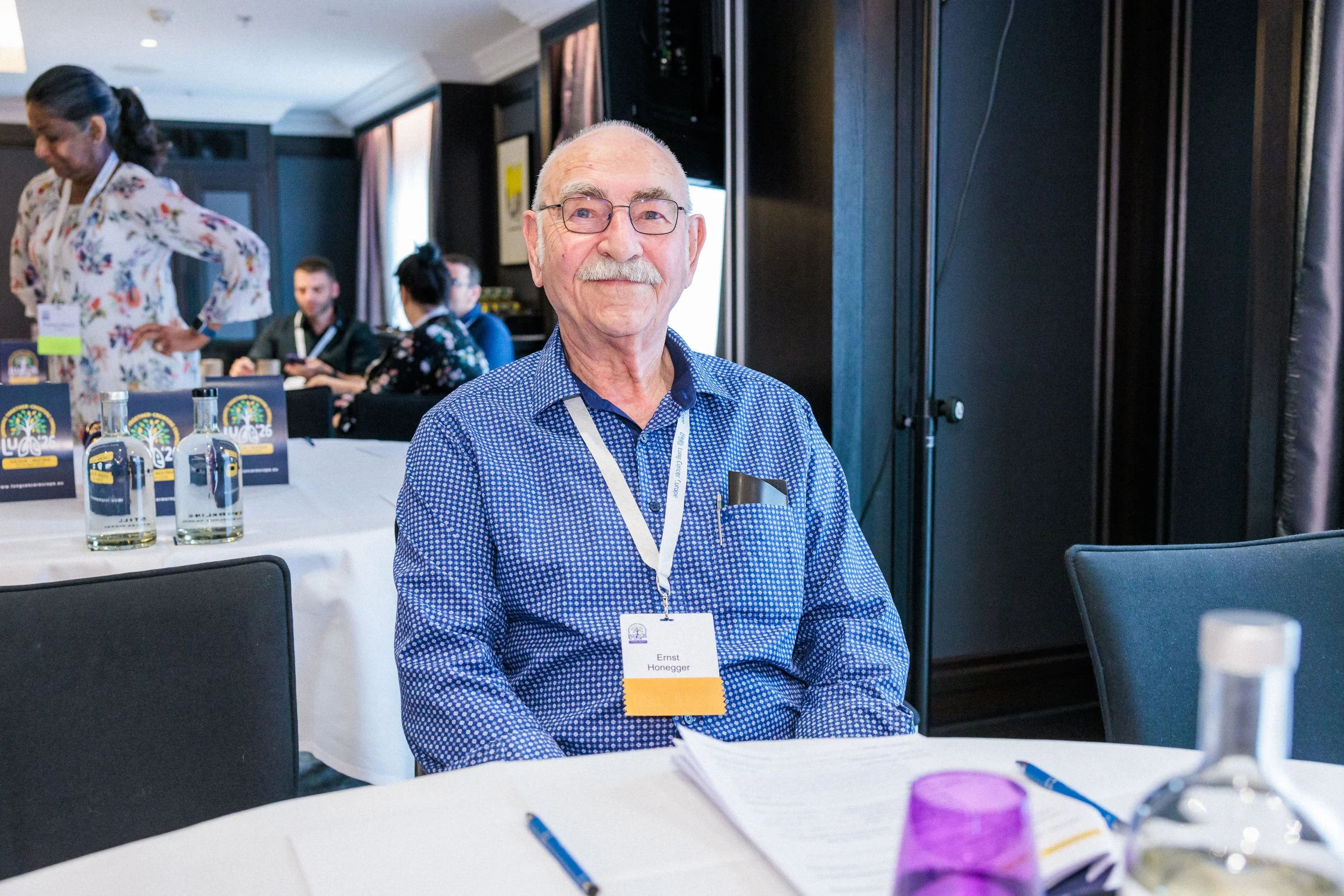
Professor Kocher treated Ernst, whose first sign of lung cancer was a pain under his shoulder. An X-ray at his family doctor's found something on his lung, and Ernst wishes it had been checked with further scans straight away.
Lung cancer can be very hard to see, on a scan as well as in the symptoms someone describes. When it is missed, that is rarely anyone's fault. It is why getting checked, and going back if something doesn't go away, is so important.