
Noticing something
Lung cancer symptoms can be vague, come on slowly or look like something else. Many people wait before seeking help, often because they feel too young, too fit or not at risk.
A cough that won't go away, getting out of breath more easily, a pain that doesn't make sense, or just feeling tired. These can all be signs of lung cancer, and they are easy to put down to something else. Sometimes there are no symptoms at all.

Why would someone delay seeing a doctor for lung cancer symptoms?
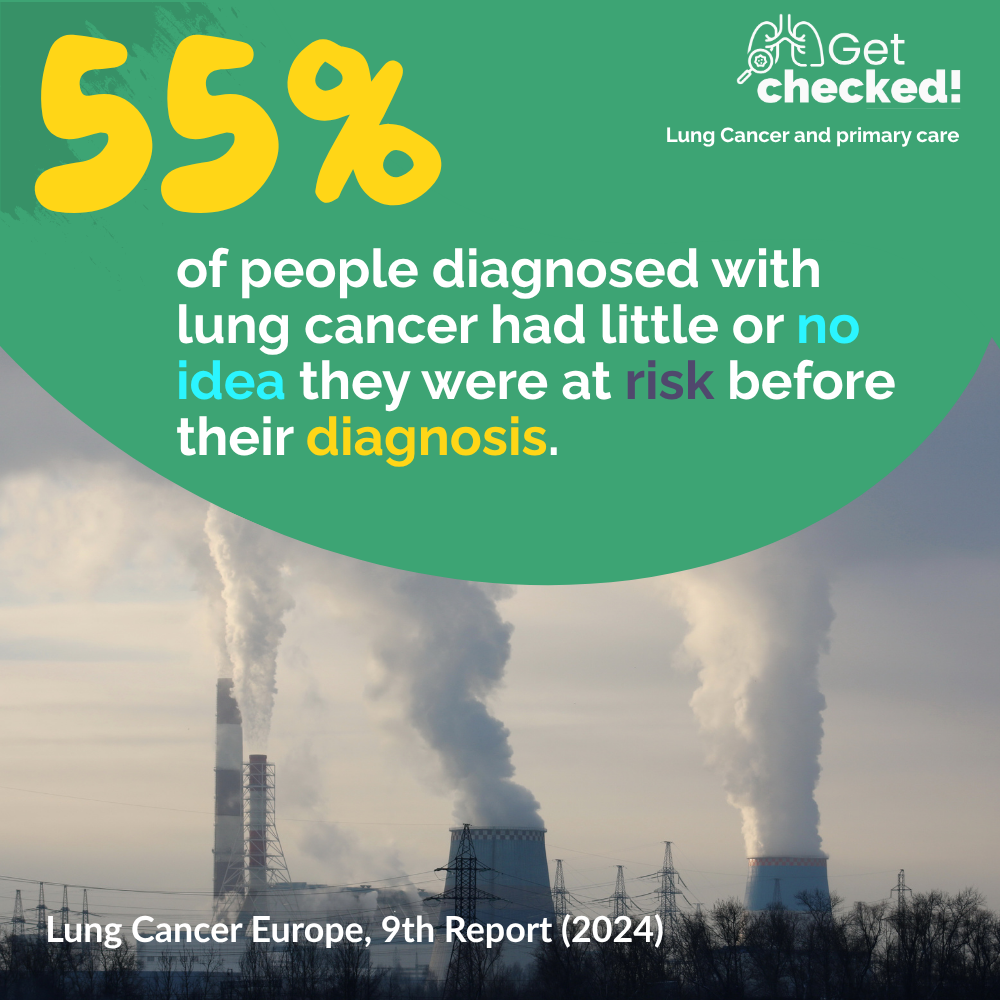
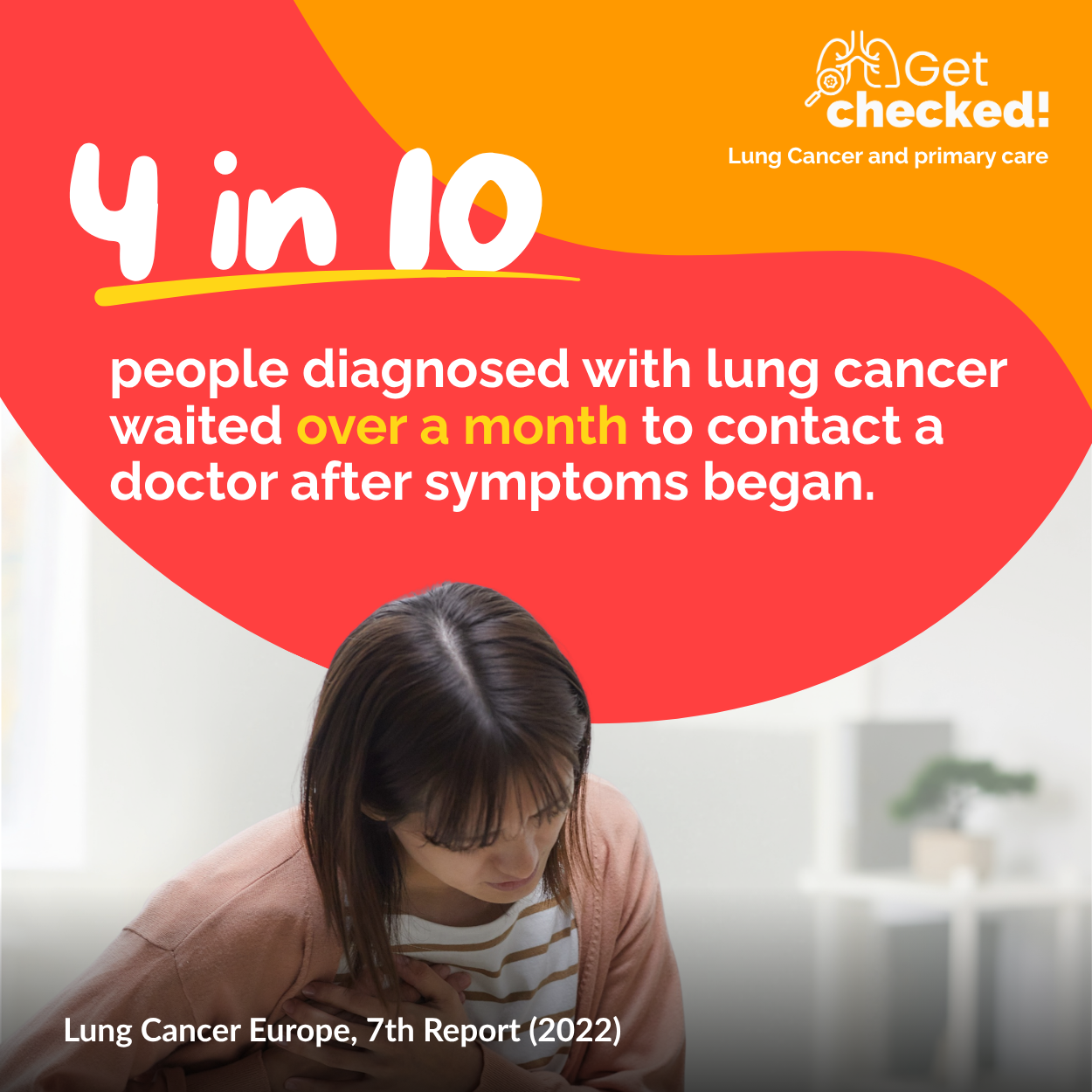
There can be many reasons why someone doesn't seek help straight away. Symptoms can develop slowly or be mistaken for other conditions. Many people don't think lung cancer could happen to them, especially if they have never smoked. But lung cancer can affect anyone with lungs, at any age.
Lung cancer symptoms people didn't expect
For many people, the first sign of lung cancer wasn't a cough at all.
Why lung cancer signs are easy to miss
“Most of my patients are diagnosed late, not that it’s anybody’s fault, but sometimes the symptoms are so not out there, you wouldn’t think the symptoms actually pertain to lung cancer.”
Stories about noticing something
Stories



Worried about a symptom?
Don't wait for it to feel serious. If something doesn't feel right and it isn't going away, get it checked.
From first symptom to diagnosis
Five stages, each told from both sides.
- Noticing something When something changes, and deciding what to do about it
- Going to primary care The first appointment, from both sides of the desk
- Suspected lung cancer When a scan shows something, but there is no answer yet
- Tests and getting an answer Scans, biopsies and the team keeping everything moving
- Diagnosis and what comes next The right diagnosis, and the support that follows