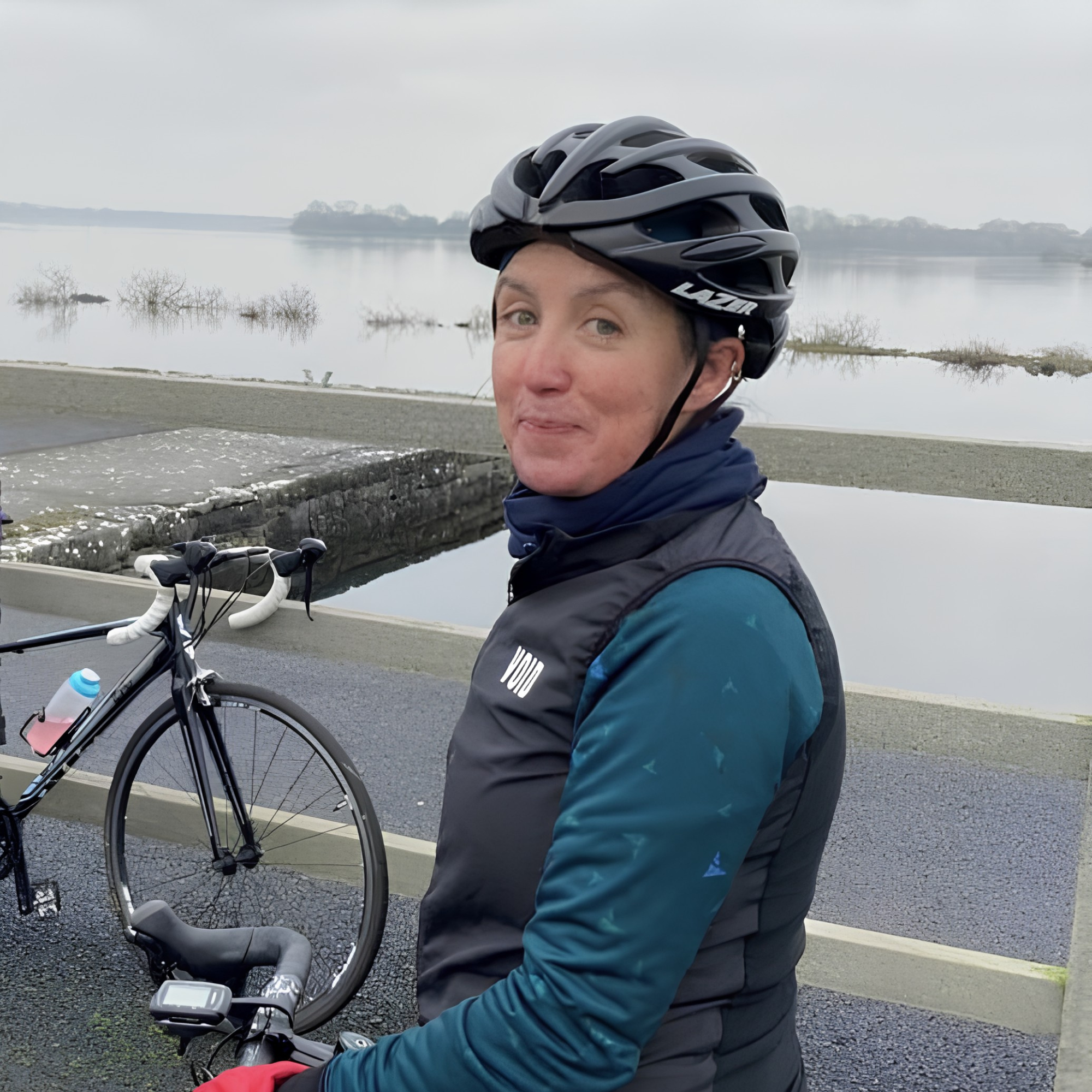
Oonagh had been healthy her whole life. Then, for several months, she felt a little off. There was nothing dramatic, just a subtle tingling in her legs, at times like an electric charge travelling up or down. She assumed it was something easy to solve, like a mineral deficiency, so she went to her GP.
“I had no lung symptoms whatsoever. ”
A GP who kept looking
Over several appointments, Oonagh's GP worked to find the cause. She arranged blood tests and, because Oonagh was 49, tried a month of HRT in case it was linked to menopause. When nothing changed, her GP looked at her family history. Oonagh's father had died of lung cancer, so her GP sent her for a chest X-ray. The X-ray showed something, and Oonagh was given antibiotics and a second X-ray six weeks later. When there was still a concern, she was referred for a CT scan, which found signs of cancer in both lungs. Her GP called her in that afternoon to give her the results. It was March 2020, the day it was announced that schools and universities would close because of Covid.
Family history as a warning sign
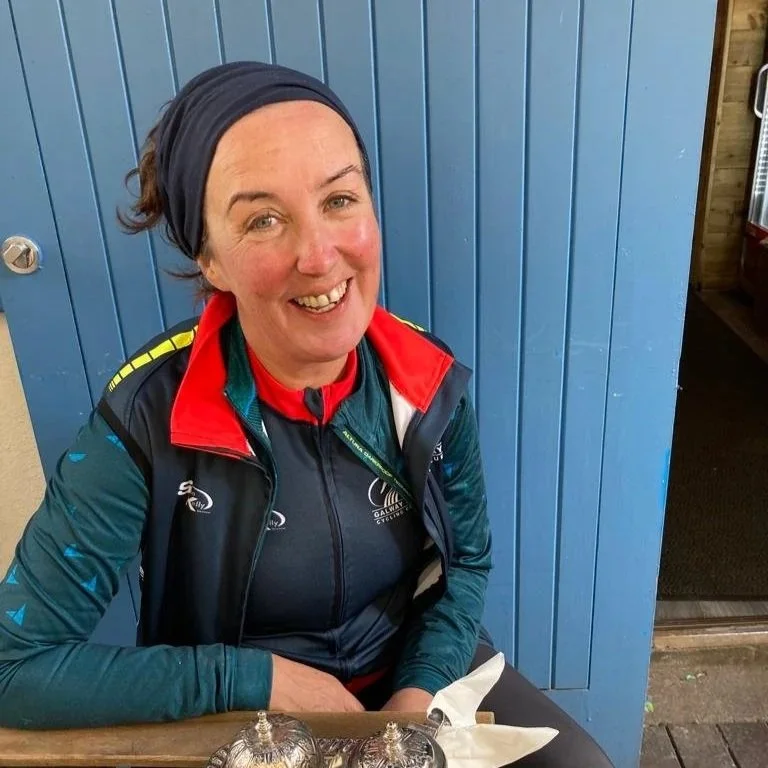
Oonagh was diagnosed with stage 4 non-small cell lung cancer with an EGFR mutation. Her symptoms were vague, and none were on the usual list for lung cancer. She believes her GP acted wisely in following her family history, and that the cancer would have spread further if it had been found later. Today, Oonagh is on her second targeted treatment. Two years after her diagnosis, she had surgery to remove the original tumour.
The healthcare professional side
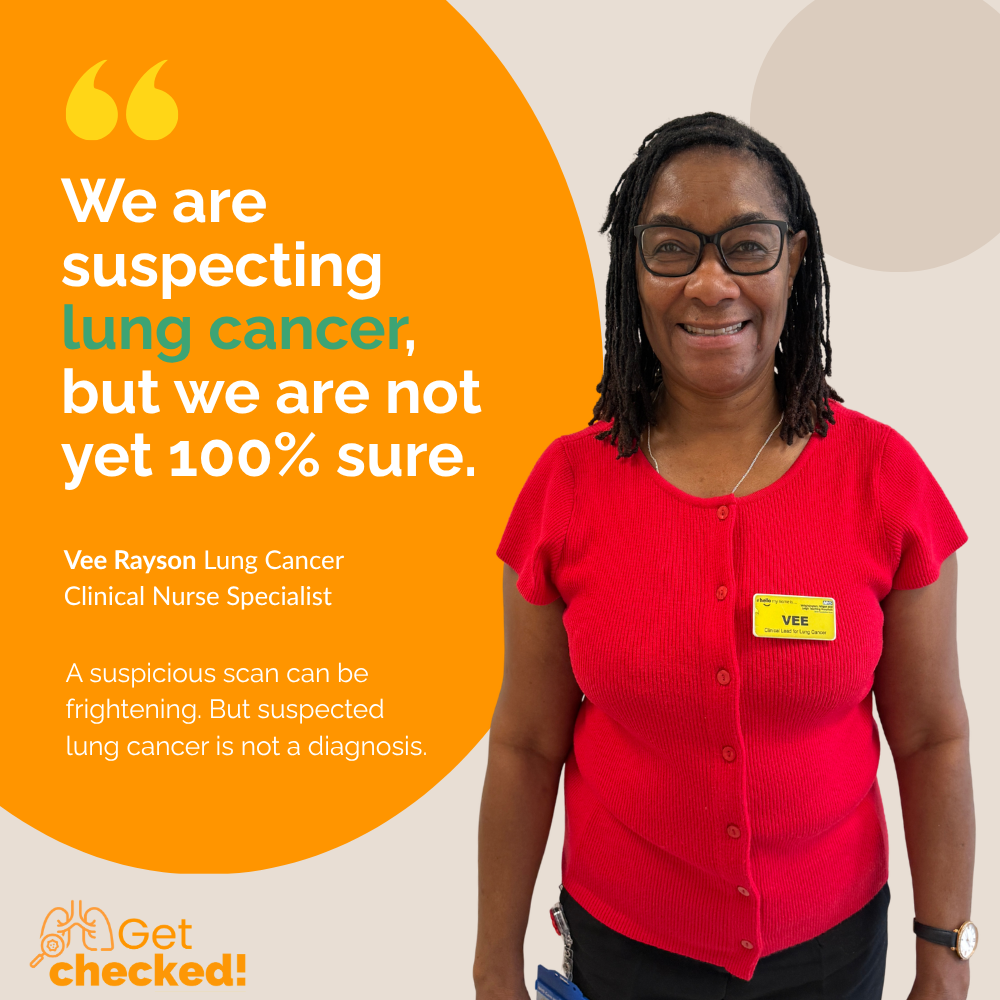
Lung cancer nurse Vee Rayson sees many people whose symptoms don't look like lung cancer at all, and explains why the signs are so easy to put down to something else.