
Suspected lung cancer
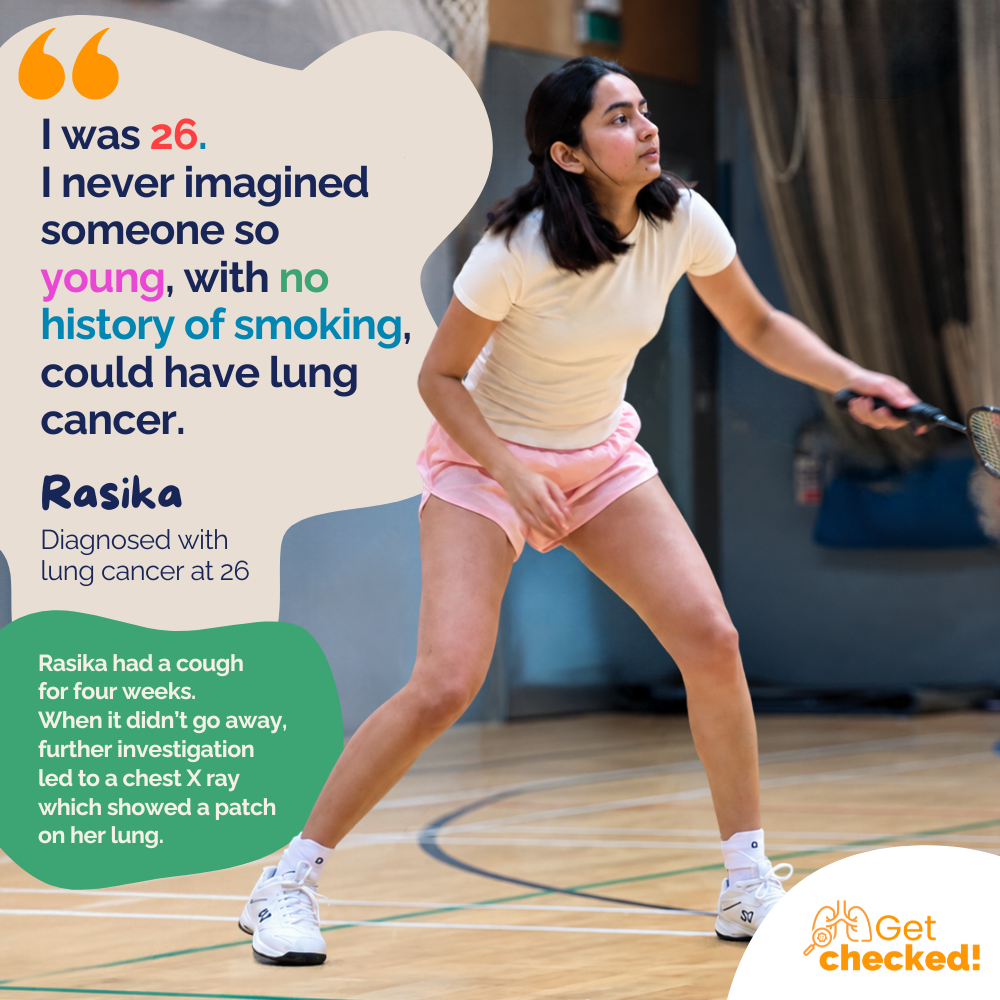
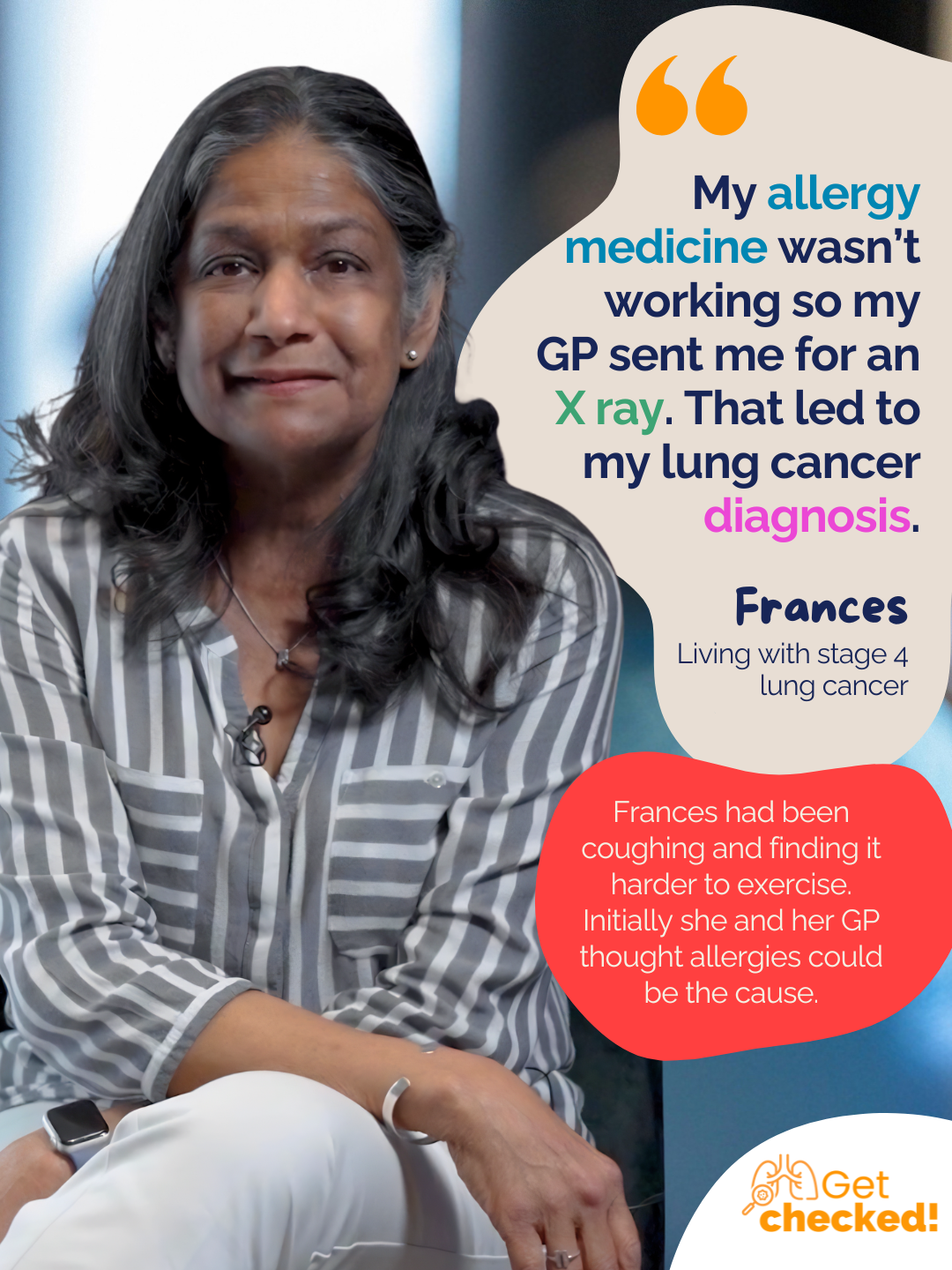
When an X-ray or scan shows something that could be lung cancer, it is a frightening time. But suspected lung cancer is not a diagnosis.
Many things can show up on a scan, and not all of them are cancer. At this stage, the next step is usually more tests to find out what is there. Knowing what is happening, who to contact and what comes next can make the wait a little easier.
Why clear information is so important
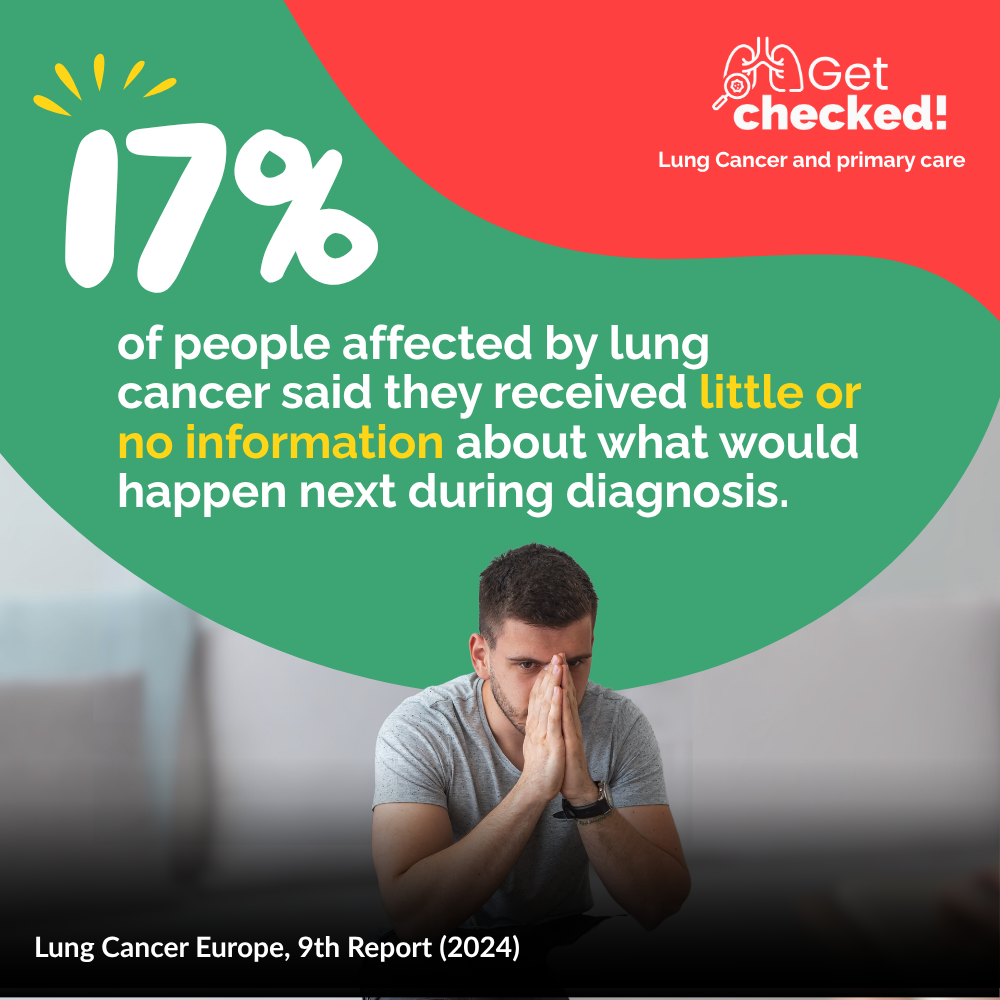
Waiting to find out whether you have lung cancer is hard. Clear information about what a scan has shown, what tests come next and who to contact can make a real difference. Yet almost 1 in 5 people affected by lung cancer told us they were given little or no information about what would happen next.
What happens when lung cancer is suspected
Lung cancer nurses are often the first people to talk to someone after a scan has found something concerning.
When lung cancer was suspected
“I was fit and healthy. Yet unknown to myself I had stage 4 lung cancer.”
Amanda had no symptoms when a routine heart scan found something in her lung. Her GP gave her the news and arranged for her to see a specialist the very next morning. A week later, she had her diagnosis.

Stories about suspected lung cancer


What has the scan or X-ray shown?
What tests will I need next, and when?
How long will it take to get the results?
Who can I contact if I have questions or feel worried?
Write the answers down, or bring someone with you to listen.
It is fine to ask the same question more than once.
If you have been told lung cancer is suspected, it can help to ask:
From first symptom to diagnosis
Five stages, each told from both sides.
- Noticing something When something changes, and deciding what to do about it
- Going to primary care The first appointment, from both sides of the desk
- Suspected lung cancer When a scan shows something, but there is no answer yet
- Tests and getting an answer Scans, biopsies and the team keeping everything moving
- Diagnosis and what comes next The right diagnosis, and the support that follows