A diagnosis without the obvious symptoms
Some lung cancer stories do not begin with a cough or breathlessness.
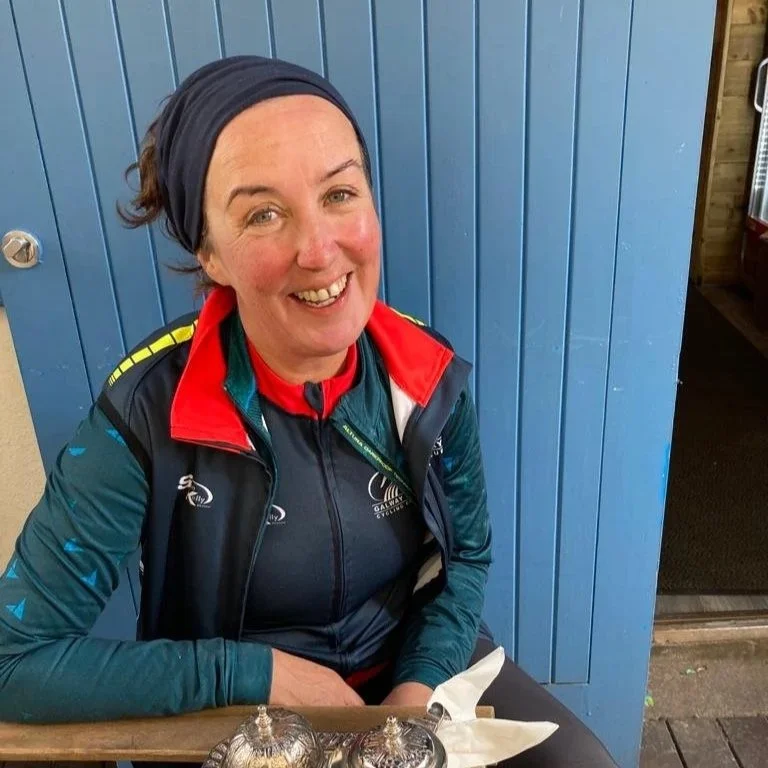
Oonagh, from Ireland, had no lung symptoms at all. Her diagnosis came about because her GP looked carefully at the whole picture, including her family history, when the usual signs gave nothing to go on.
Her account shows how much can rest on a GP who keeps asking questions, and why earlier action is not always straightforward when symptoms point nowhere obvious.
Oonagh’s words
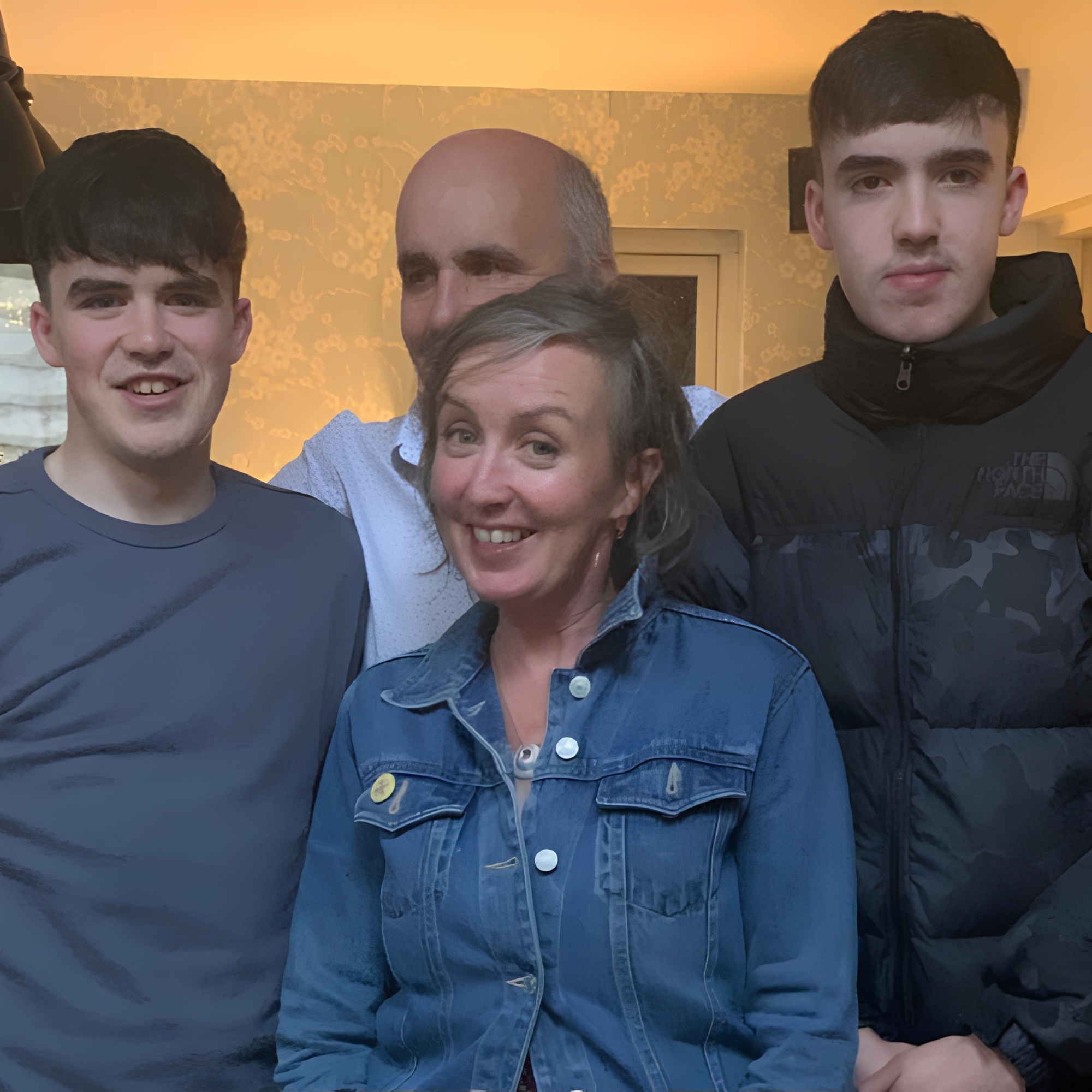
"I was diagnosed with stage 4 non-small-cell lung cancer with an EGFR mutation in March and April 2020. I am now on my second line of targeted therapy, and I also had a lobectomy two years after diagnosis to remove the original tumour.
I had no lung symptoms whatsoever. Having been very healthy my whole life, for several months I had been feeling a little off. Nothing dramatic, except for a mostly subtle tingling in my legs, which at times felt like there was an electric charge travelling up or down them. I assumed it was something easily solved, like a mineral deficiency, so as a proactive person I visited my GP to sort it out.
I had several appointments with my GP to try to figure it out. She had bloods tested and put me on HRT for one month to establish whether it was menopause related, as I was 49 at the time. When nothing came of that, my GP started to follow the line of family history. Because my father had died of small cell lung cancer previously, she sent me for a chest X-ray. The first one showed up something, but the recommendation was an antibiotic and a follow-up scan six weeks later. When there remained a concern, I was referred for a CT scan. The result reported a mass lesion and multiple opacities in both lungs, deemed highly suspicious for metastatic disease. My GP called me in that afternoon to give me the results. This was the day it was announced that schools and universities would close because of Covid.
I do not really wish that stage had been different, because my symptoms were very vague and were none of the usual things that point to lung cancer. My GP acted wisely in following my family history, as there was nothing else to signpost to lung cancer. Even though my disease was discovered at stage 4, the spread would have been more extensive if it had been caught later."
The role primary care played
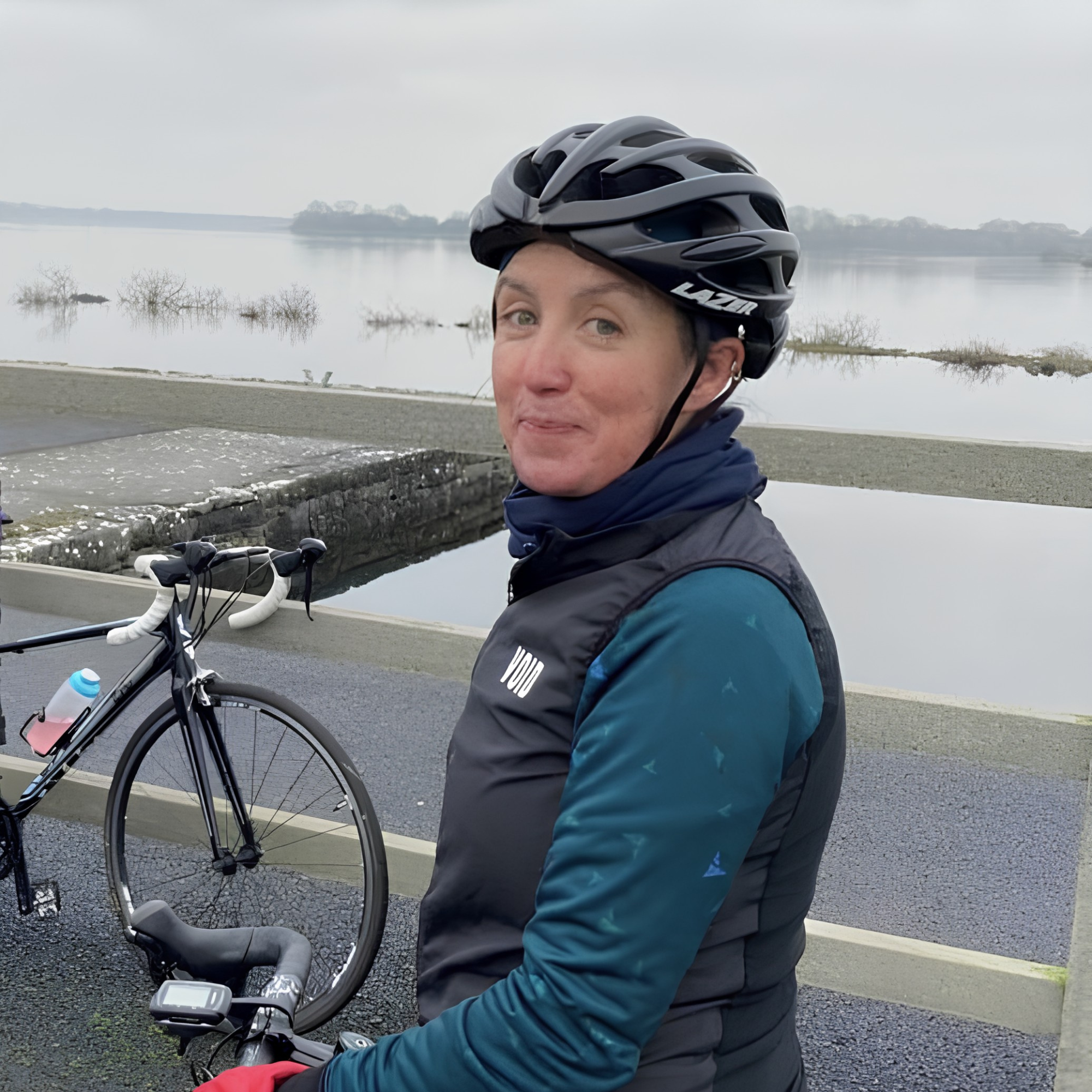
Oonagh's story turns on the judgement of her GP. There were no lung symptoms to work from, and none of the familiar warning signs. What moved things forward was a GP who kept looking, ruled things out one by one, and then followed Oonagh's family history when it offered the only real lead. That path led from a first blood test to HRT, to a chest X-ray, to the CT scan that finally gave an answer.
Oonagh does not look back on that early stage with regret. She sees a GP who acted wisely with very little to go on, and who reached a diagnosis that might otherwise have come later and worse. Her experience shows why the first point of contact matters so much, and how much depends on a primary care professional who is willing to keep asking questions when the picture is unclear.


We bring creativity and expertise to everything we do.