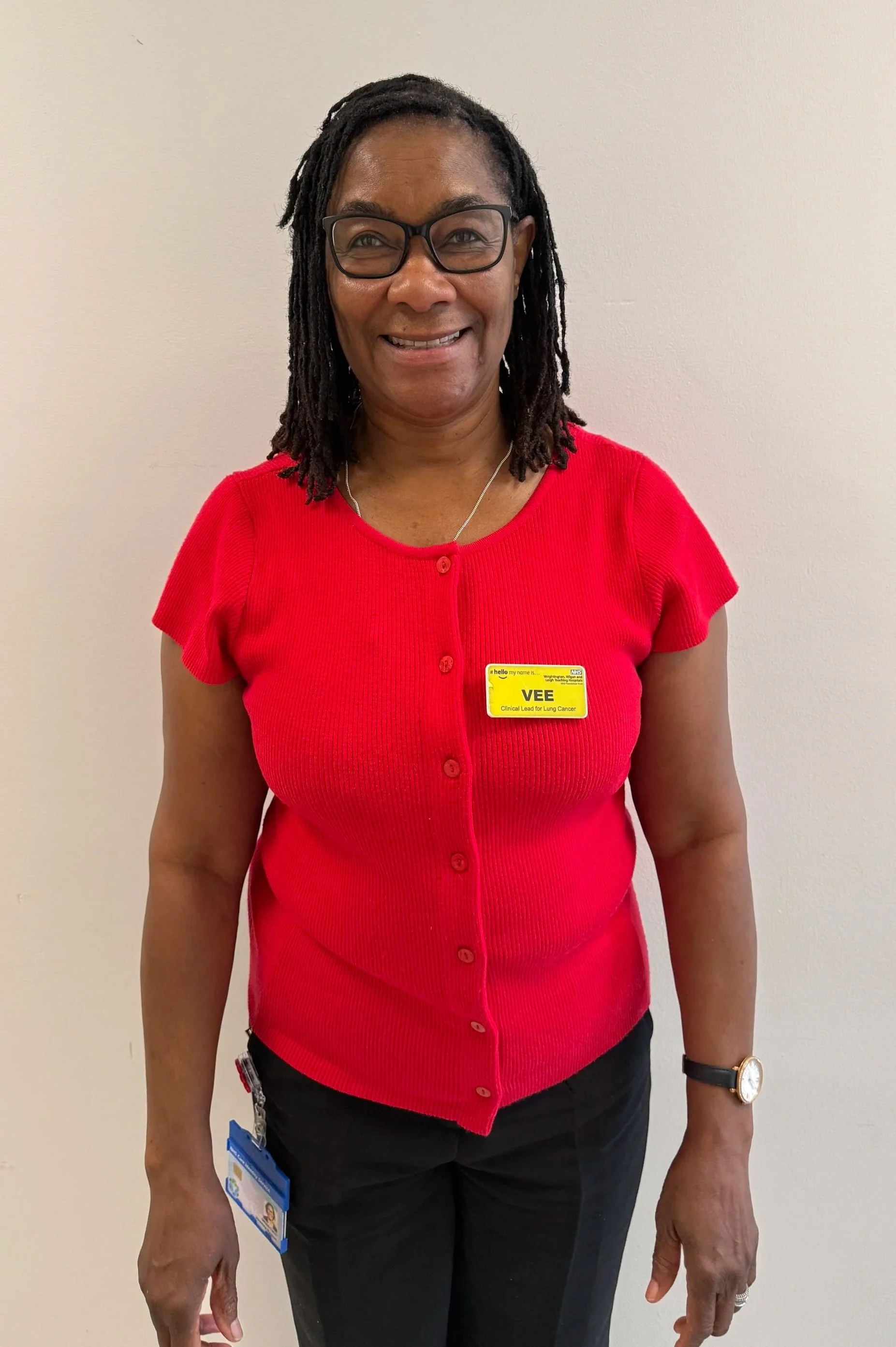
Vee Rayson - Lead Clinical Nurse Specialist
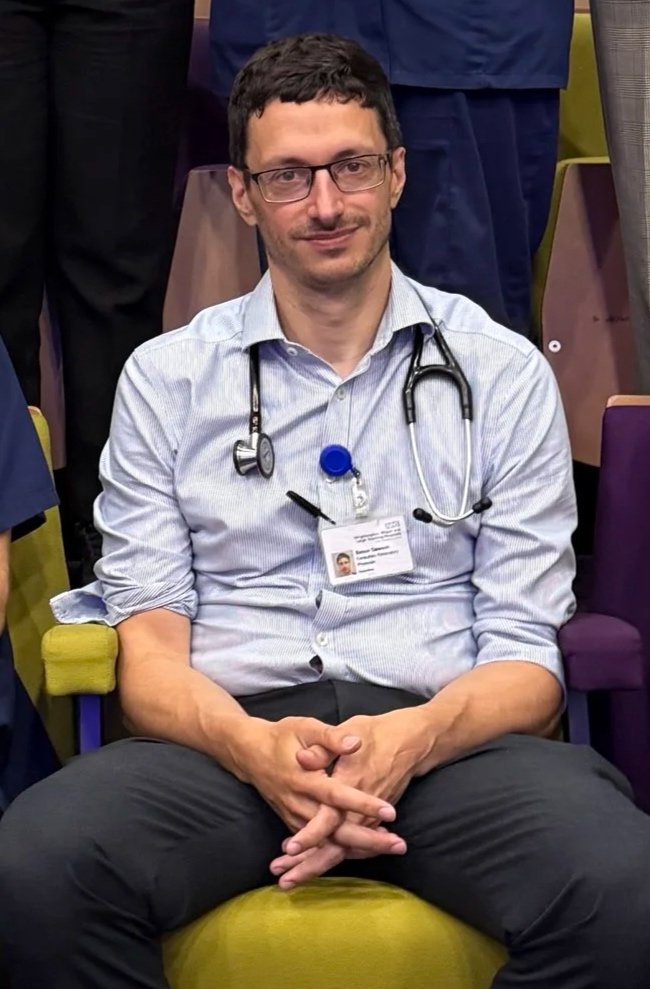
Dr Simon Dawson -Respiratory Consultant
What happens after your GP refers you
Inside a lung cancer multidisciplinary (MDT) team
For most people, a lung cancer pathway begins quietly. A cough that will not settle. A scan arranged for something else. A phone call about a shadow on an X-ray.
What happens next is mostly invisible to the person waiting at home.
Behind that single moment sits a large team of people who never appear in the consulting room, working through each person's case with a level of care and coordination that most of us never see.
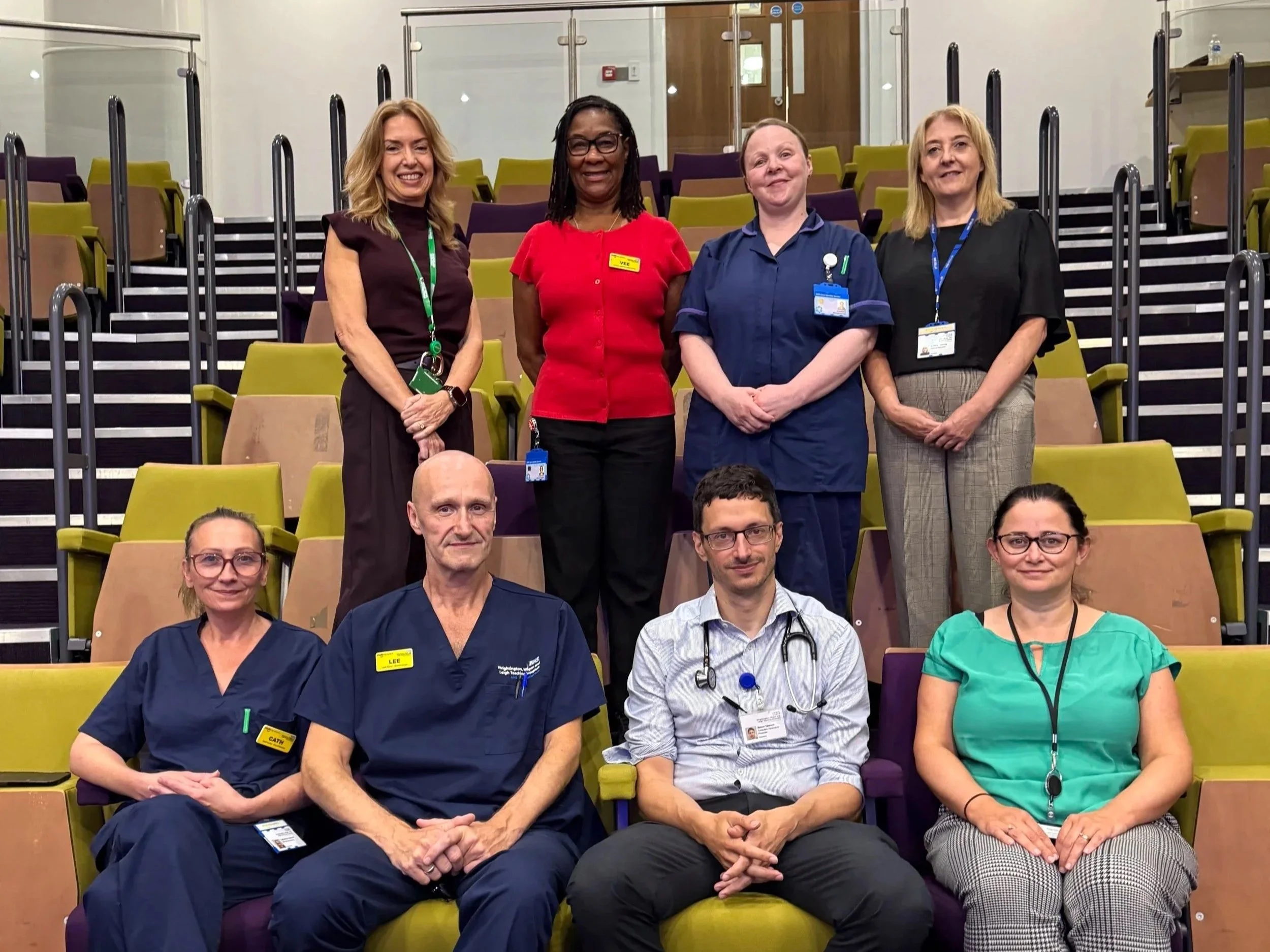
We spent a day with one such team, at the Royal Albert Edward Infirmary in Wigan. We will introduce each of them to you later.
This page is an attempt to open the door on their work. Not to teach anyone how it is done, but to show the depth of thought behind a diagnosis, and to make the wait a little less frightening for anyone going through it.
The pathway, in plain terms
The team has built a system that catches people early, at the point of a suspicious scan rather than a confirmed diagnosis. It works in stages.
First, CT triage. A lead clinician reviews the actual scans flagged each day, not just the written reports, and decides which need to move quickly. The most concerning are marked as urgent and dealt with first.
Next, the key tests. A PET scan, a heart scan and lung function tests. The team has worked hard to reserve slots for these, so that someone with an abnormal CT is not left waiting. Because those slots are ring-fenced, a person can often have all their initial tests booked in a single phone call, rather than waiting week by week for one appointment to lead to the next.
Then, a telephone consultation with a specialist nurse, which we describe more fully below.
Finally, where it is needed, a biopsy to confirm what is really there.
The aim that runs through all of it is speed with care. National standards ask that a person is told they have cancer, or that cancer is ruled out, within 28 days of referral, and that treatment begins within 62 days.¹ This team aims to beat those dates, to leave a buffer, because every day of waiting is a day of worry for someone.
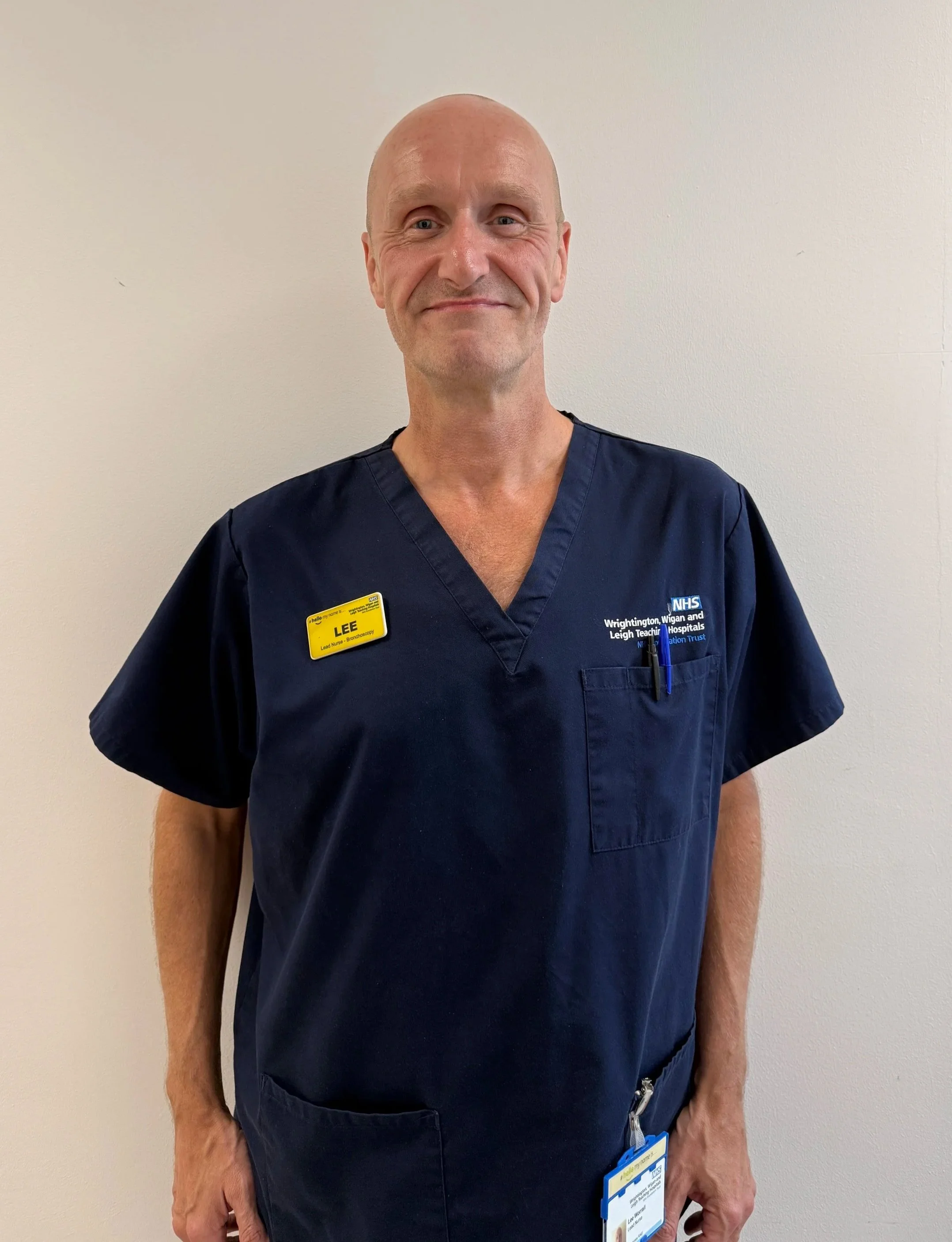
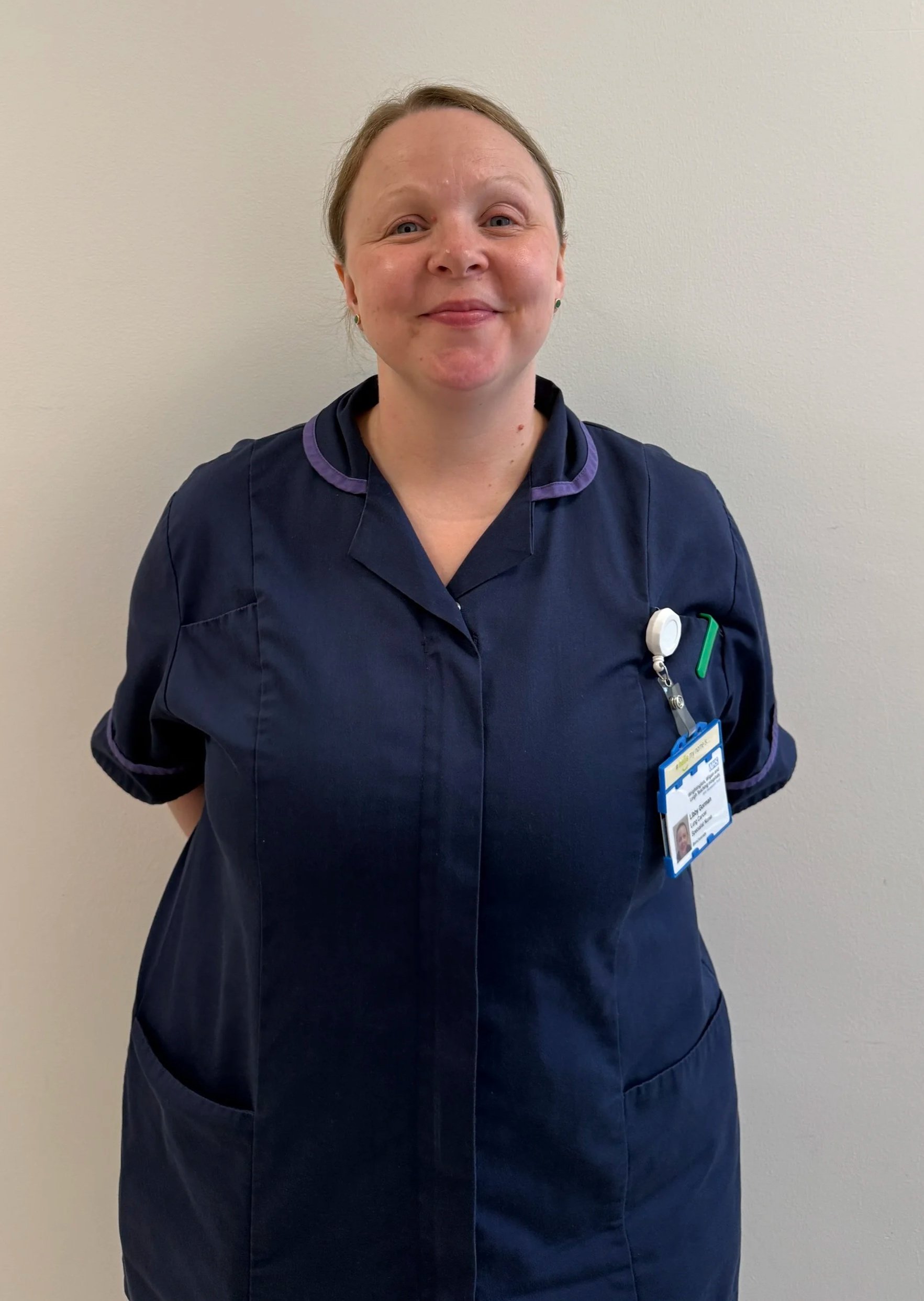
Lee Worrall & Libby Gorman - Lung Cancer Cancer Nurse Specialist team
The care in a phone call
One part of the pathway shows the team's approach better than any other. The telephone consultation.
When a scan looks suspicious, a specialist nurse calls the person at home. It is a difficult call to make well, and the team has thought about it deeply. They follow a simple one-page guide, so that every call is consistent and nothing important is missed, while still leaving room for a natural conversation.
The care begins before any findings are shared. The nurse first checks that the person is somewhere they can talk, and that someone is with them. If the person is driving, or out in a shop, the nurse arranges to call back. Only when the moment is right does the conversation move on.
The language is chosen with great care. The nurse explains that there is a shadow that looks suspicious, not that there is a diagnosis, because at this stage there is not one.
And if the person asks directly whether cancer is suspected, the nurse tells them honestly. That balance, being truthful without frightening someone with a certainty that does not yet exist, is at the heart of how this team works.
At this hospital, the nurses are involved from that first suspicious scan all the way through to aftercare. That is unusual. At many hospitals, a specialist nurse only meets a person at the point bad news is delivered. Here, the support starts much earlier.
What the team wants people to know
Again and again, the team returned to the same wish. That people would not be afraid to come forward, and would not be afraid of them.
They told us that people who miss appointments are almost never indifferent. They are frightened, or overwhelmed, and sometimes they disengage after a scan because they are not ready for the next answer.
The team understands this, and works to reach those people rather than simply record them as absent. The pathway navigator role matters here, gently keeping people connected to their own care.
They also told us how often people apologise for contacting them. "I didn't want to bother you," people say. The team wants the opposite. They would far rather hear from someone early than have them wait at home while a worry grows.
An honest word about pressure
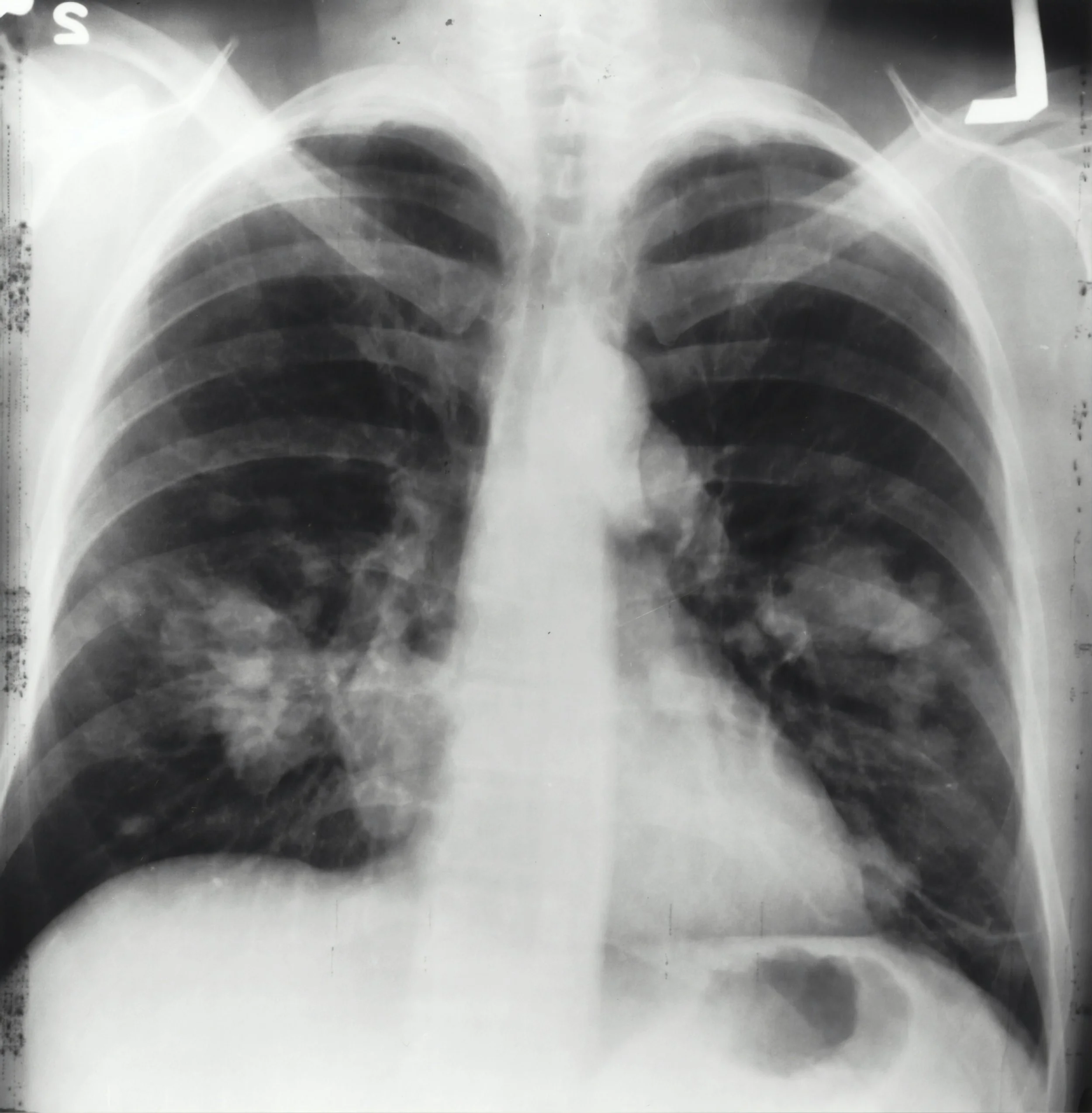
Chest X-rays, still the first test many people have, can miss tumours hidden behind other organs, sometimes even large ones. Systematic reviews suggest a chest X-ray misses at least 20% of lung cancers, with older, nodule-specific studies reporting even higher miss rates, which is part of why a suspicious CT scan is taken so seriously.²
People increasingly see their results on a health app before anyone has been able to talk them through them, which can be frightening without context. And lung cancer still tends to present late, often in people who are older and already unwell.
The team works under real pressure to meet the national timescales. Every missed 62-day deadline carries a financial penalty for the hospital, £1,000 for each patient whose wait is breached.³ What came across, though, was that the team's drive to avoid delay had little to do with money and everything to do with the person waiting.
The team spoke thoughtfully, too, about the language of support. The words "palliative care" frighten people, because they are so tied to the end of life. Yet supportive care can help a great deal, and much earlier than people expect. Some people delay that help for too long because of what they think the words mean.
This team tends to describe what the support actually offers, rather than lead with a label, so that no one turns down help they could benefit from because of a word.
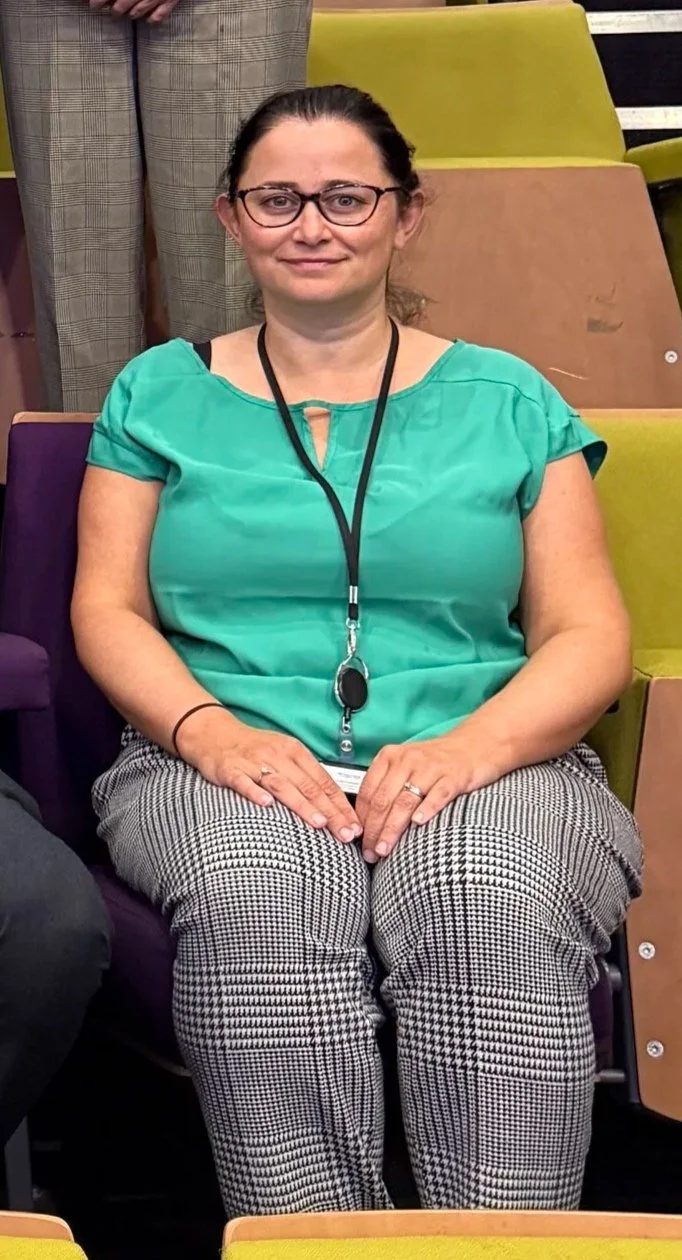
Caroline Fitzpackwood MDT Co-ordinator
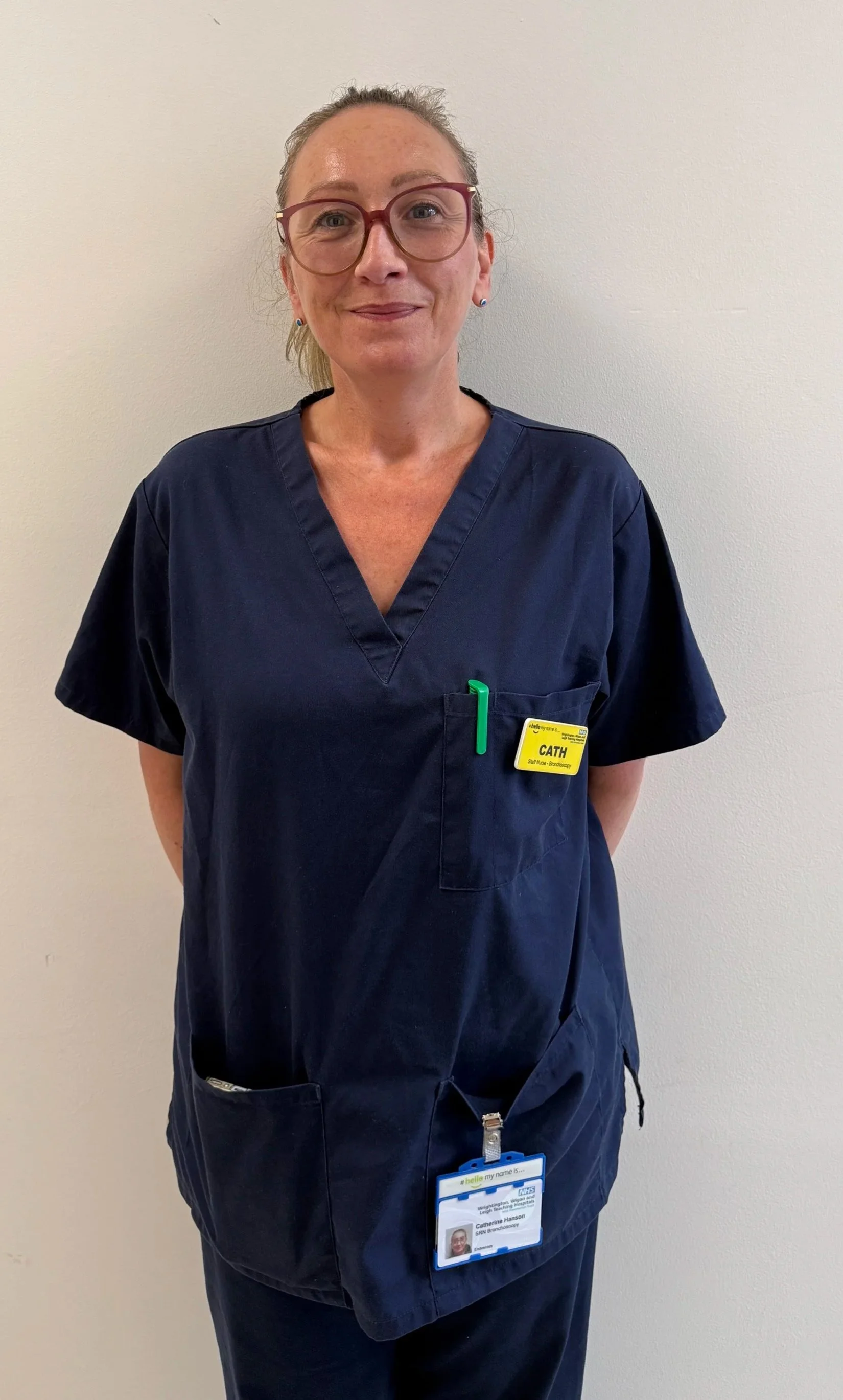
Cath Hanson Bronchoscopy/EBUS Nurse
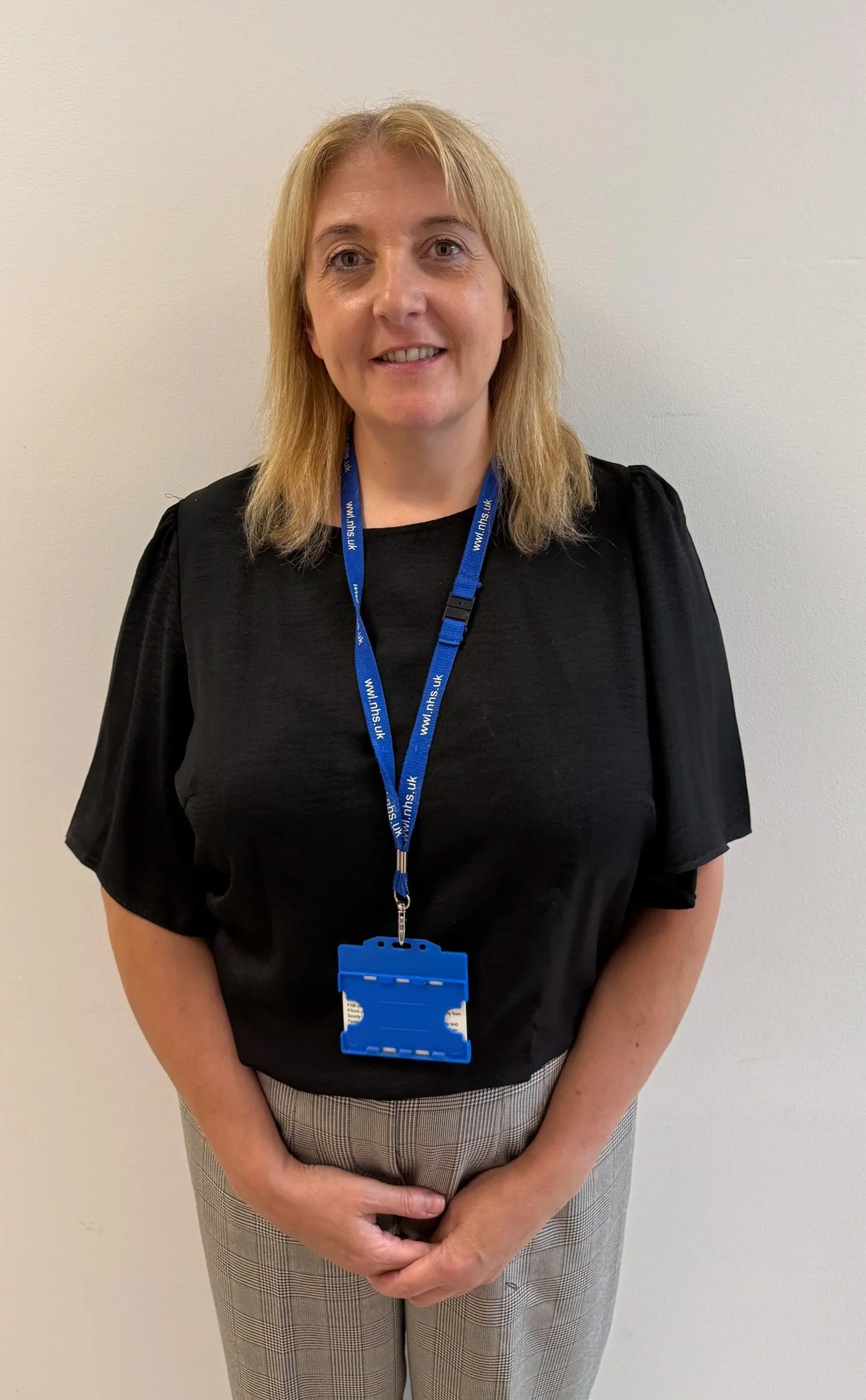
Katie Armstrong Pathway navigator
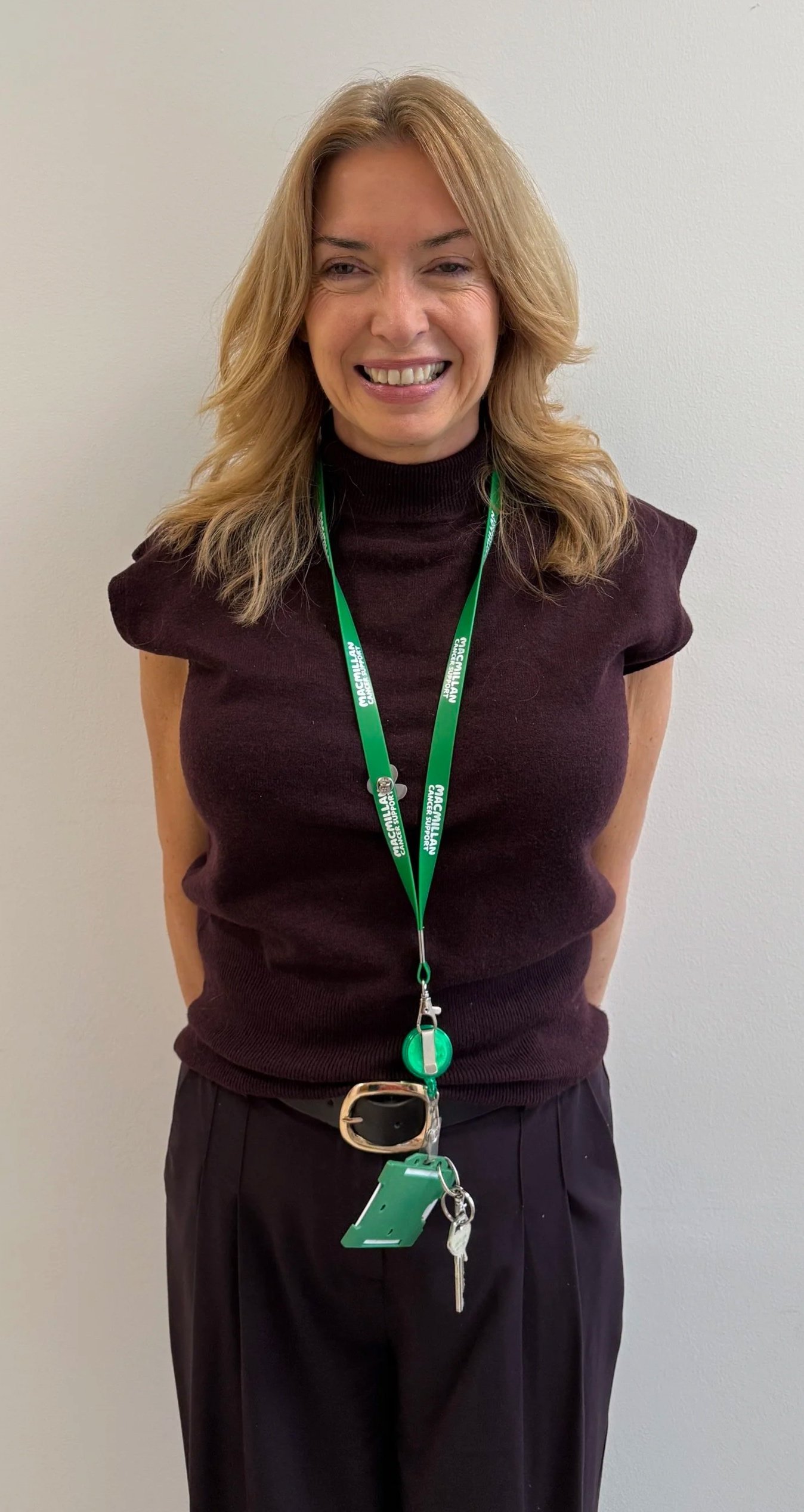
Karen Dewers Macmillan Lead Cancer Nurse
One person's path
Imagine a woman in her seventies. She feels well. She walks every day. A routine scan for an unrelated problem picks up two small nodules on her lung, and the CT is flagged as suspicious.
Her case reaches the team. The lead clinician reviews her actual images. Her lung function is not strong, and the safest way to get a firm diagnosis is not obvious. One option, a biopsy, carries real risk given her particular anatomy. Another route has a long wait. Surgery could give an answer and a treatment at once, but it is a bigger undertaking for someone whose breathing is already limited.
Around the table, this is discussed with real care. A surgeon offers a view. A radiologist explains what the images can and cannot show. The nurses, who have spoken to her and know she is anxious about the risks she has been told about, speak to what she herself wants. There is honest disagreement about the best path, and it is worked through, not glossed over. The conclusion is not a single number on a target sheet. It is a plan that fits this particular person, with her wishes written down clearly, and a named person to walk her through what happens next.
Multiply that by every case, on every list, week after week. That is the work.
The above is an illustrative example. It is a composite, drawn from the kinds of case this team handles, and does not describe any real individual. It is here to show how the team reasons and cares, not to depict a particular person.
Why this matters
Everything this team does depends on one thing happening first. Someone noticing that something is not right, and acting on it. A symptom taken seriously. A scan arranged. A referral made without delay.
If you are ever contacted after a scan, the voice on the phone is the start of all of this.
A team who have already been thinking carefully about you, and who would much rather hear from you than have you wait alone.
Getting checked early, and being referred promptly, is what allows them to do their very best work.