
Gillian was a marathon runner. In September 2021, she suddenly couldn't make it up the stairs without stopping to catch her breath.
Breathless and dizzy
A few days later, at work, Gillian couldn't catch her breath and felt dizzy. She rang her GP, who told her to go straight to hospital. Because the main hospital was full with Covid patients, she went to a local one, and collapsed at the reception desk. When she came round, she was told she was most probably suffering from anxiety, and that she could go home.
“I knew myself that there was something wrong. There was something wrong in my body. ”
Pushing for answers
Gillian refused to go home. She asked for more tests to find out why she was breathless, why she was dizzy, and why she couldn't climb the stairs.
It took until November, and further testing, before a nodule was found on her right lung. She had a biopsy on 1 November, and on 12 November, because of Covid restrictions, she went to the hospital alone and was told she had lung cancer.
After surgery In December 2021, Gillian had a lobectomy to remove the top part of her lung. She left hospital with medication, but no physiotherapy and no exercise programme to help her recover.
“I didn’t fit the stereotypical type. I wasn’t old, I wasn’t a smoker. I was young, fit and otherwise healthy. ”
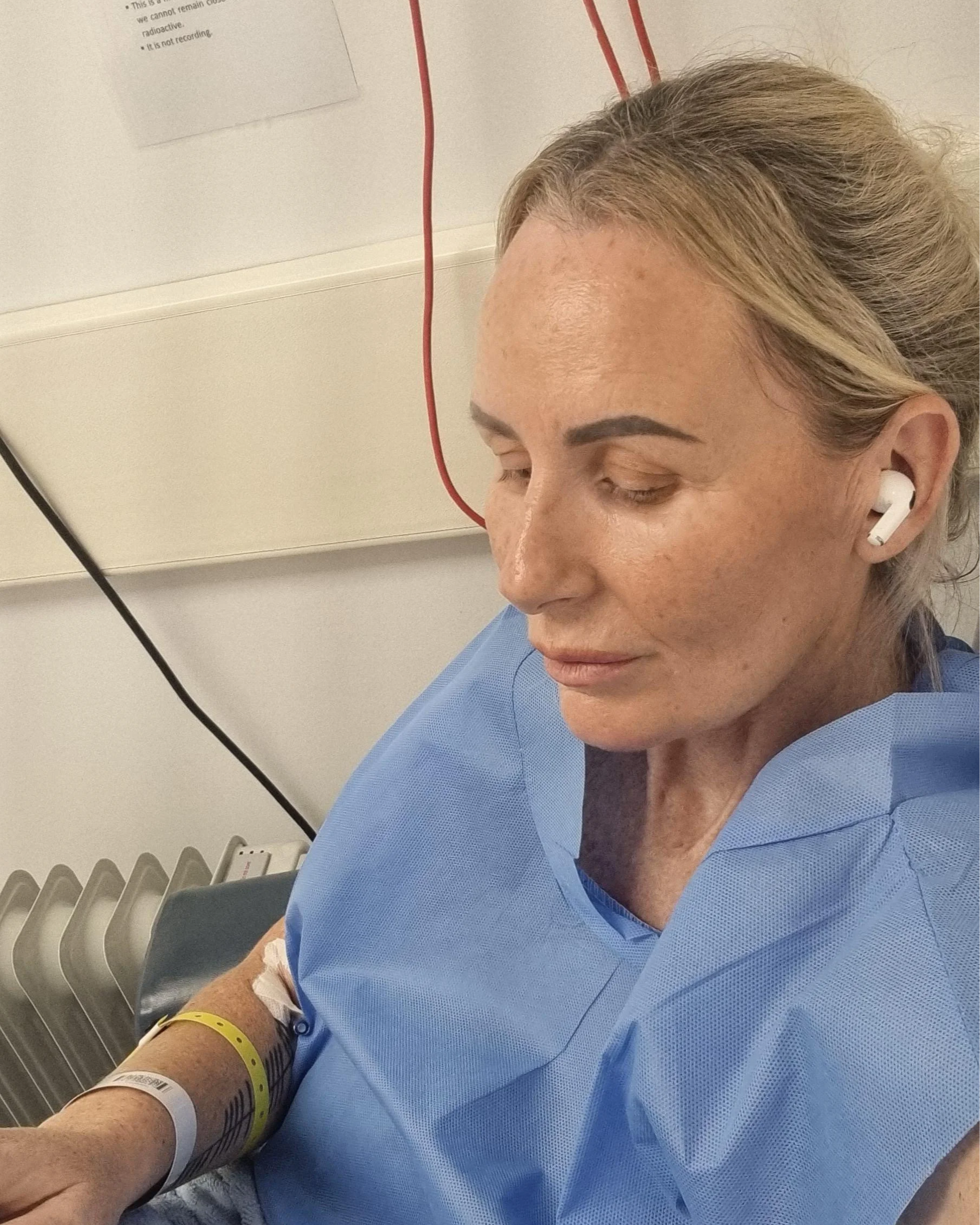
Turning my experience into lung cancer advocacy
Almost five years on, Gillian shared what has happened since, in her own words.
Almost five years after my initial diagnosis, I am once again facing lung cancer. I have developed a new cancer in the same lung and am now preparing for a second major and complex operation.
But my journey has become about more than just my own fight.
Having experienced first-hand how difficult it can be to get a lung cancer diagnosis, I have become a passionate advocate for change. I have spoken in the Dáil and engaged directly with the Department of Health, campaigning for Ireland to introduce a national lung cancer screening programme.
I know what it feels like to be young, fit, and otherwise healthy and not fit the stereotypical image of someone with lung cancer. I also know what it feels like to have your symptoms dismissed and to have to fight for answers. I know what it feels like to be dying to be heard. Because that’s what I would have been had I not pushed for answers.
I don’t want other people to have to fight as hard as I did. I want people to have the opportunity of an earlier diagnosis, regardless of their age, smoking history or background.
I have spent years raising awareness, turning my fear into purpose and uncertainty into determination, supporting research and using my voice to challenge the stigma surrounding this disease. And even while facing lung cancer for a second time, I remain determined to keep pushing for change.
Because this is bigger than me. It’s about the thousands of people and families affected by lung cancer every year in Ireland. It’s about earlier diagnosis, better outcomes and ultimately saving lives.
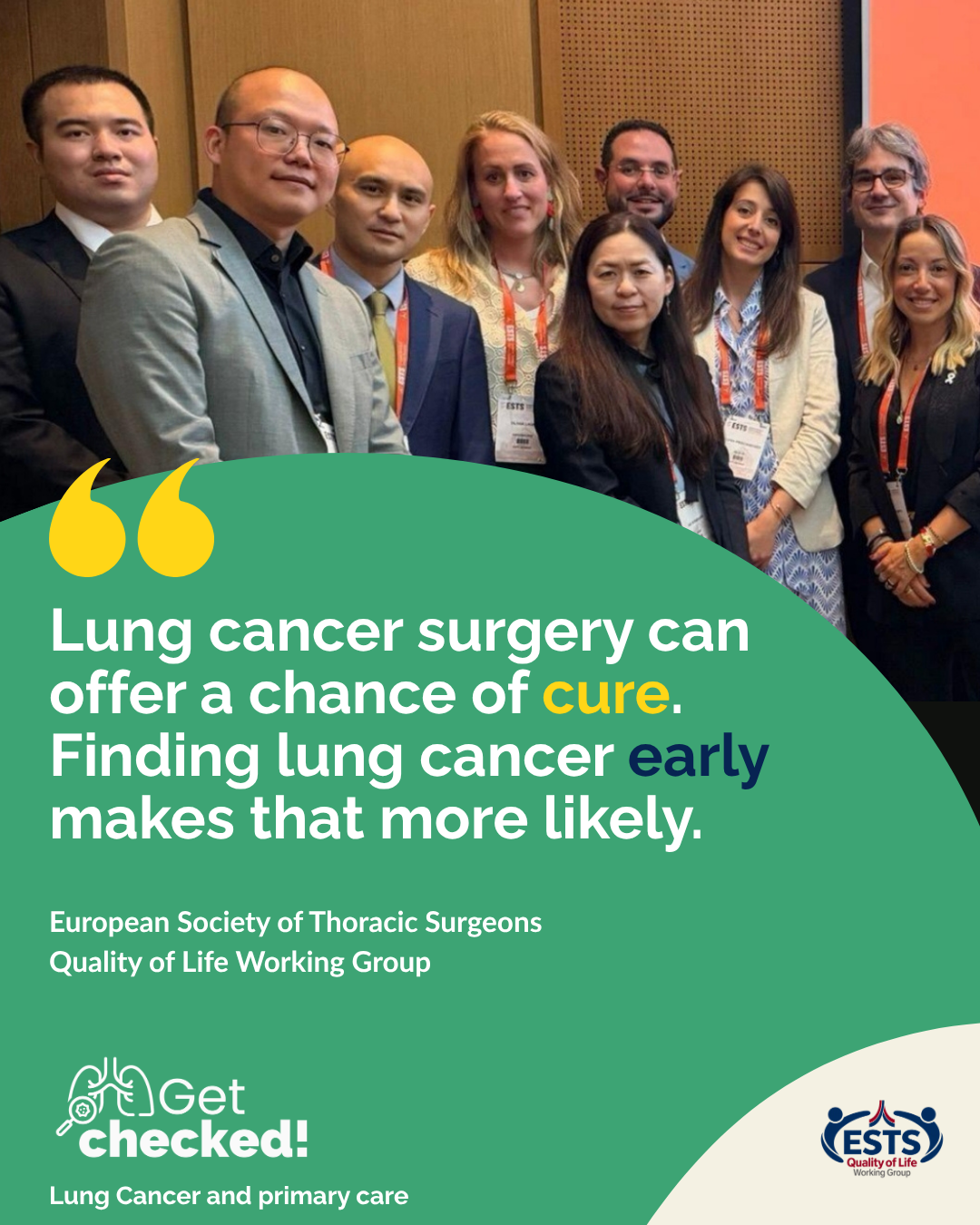
The healthcare professional side
The ESTS Quality of Life Working Group focuses on how people recover and live well after lung cancer surgery, including the support they need afterwards.
